Heritage & Memory

Historical Timeline of Tumbes

A chronological journey across the 4 great eras that shaped the identity, sovereignty, and cultural wealth of northern Peru.

4Explore the 4 historical eras
14historical milestones
3.000+años de memoria viva
Era 01
3 historical milestones

Época Prehispánica y Cultura Tumpis

Navegantes Tumpis, balsas con guaras, comercio de mullu (Spondylus) y centro monumental Cabeza de Vaca.

1st Millennium BCE – 1532Tumbes

The Sacred Mullu (Spondylus) Imperial Industry

Inca state workshop in Cabeza de Vaca processing over 110,000 Spondylus shell pieces for royal and religious ceremonies across the Andes.

Historical significance

The largest planned state workshop for harvesting and carving ritual Spondylus (mullu) documented in the Andes.

#Spondylus#Andean Ritual#Sacred Trade#Malacology
Pre-Columbian EraTumbes

Tumpis Navigators and Ocean Balsa Rafts with Guaras

Oceanic balsa technology and hydrodynamic guara centerboards that allowed pre-Hispanic navigation to Mesoamerica without a rudder.

Historical significance

Pioneering nautical engineering of ocean rafts with daggerboards (guaras) enabling long-range steering to Central America.

#Ocean Navigation#Guaras#Maritime Trade#Pre-Columbian Engineering
15th – 16th CenturyTumbes

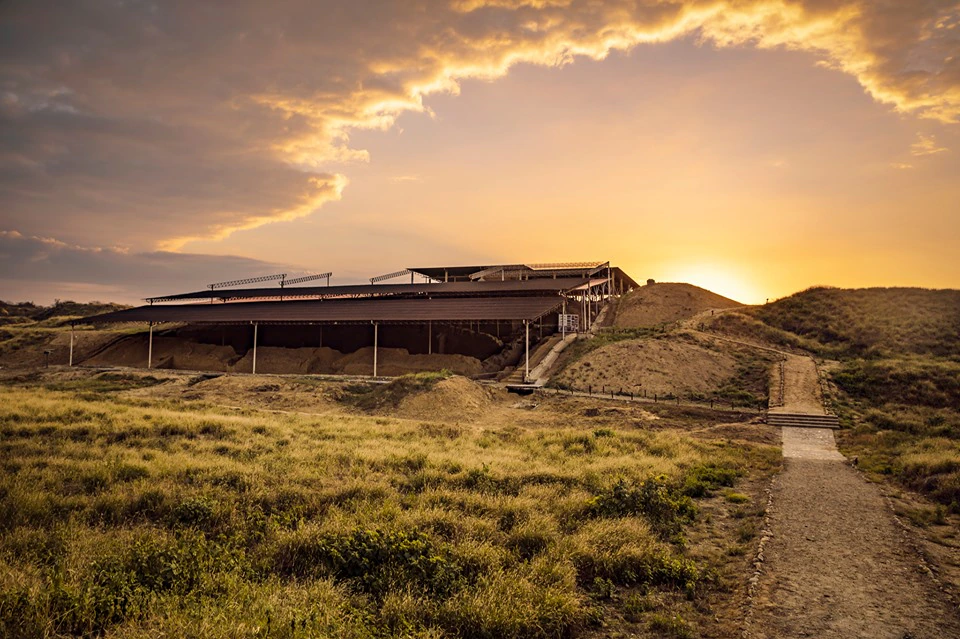
Cabeza de Vaca Monumental Archaeological Complex

Paramount Inca administrative and ceremonial capital in Tumbes featuring the 15-meter Huaca del Sol pyramid and an 8 km imperial road.

Historical significance

Northernmost imperial administrative and civic-religious capital on the coastal Qhapaq Ñan, featuring Sun Temple and acllahuasi.

#Archaeology#Qhapaq Ñan#Sun Temple#Tumpis Culture
Era 021532 – 1821
3 historical milestones

Conquest and Viceroyalty

Spanish arrival in 1532, Chilimasa armed resistance, San Nicolás de Tumbes and defense against corsairs.

April 1532Puerto Pizarro

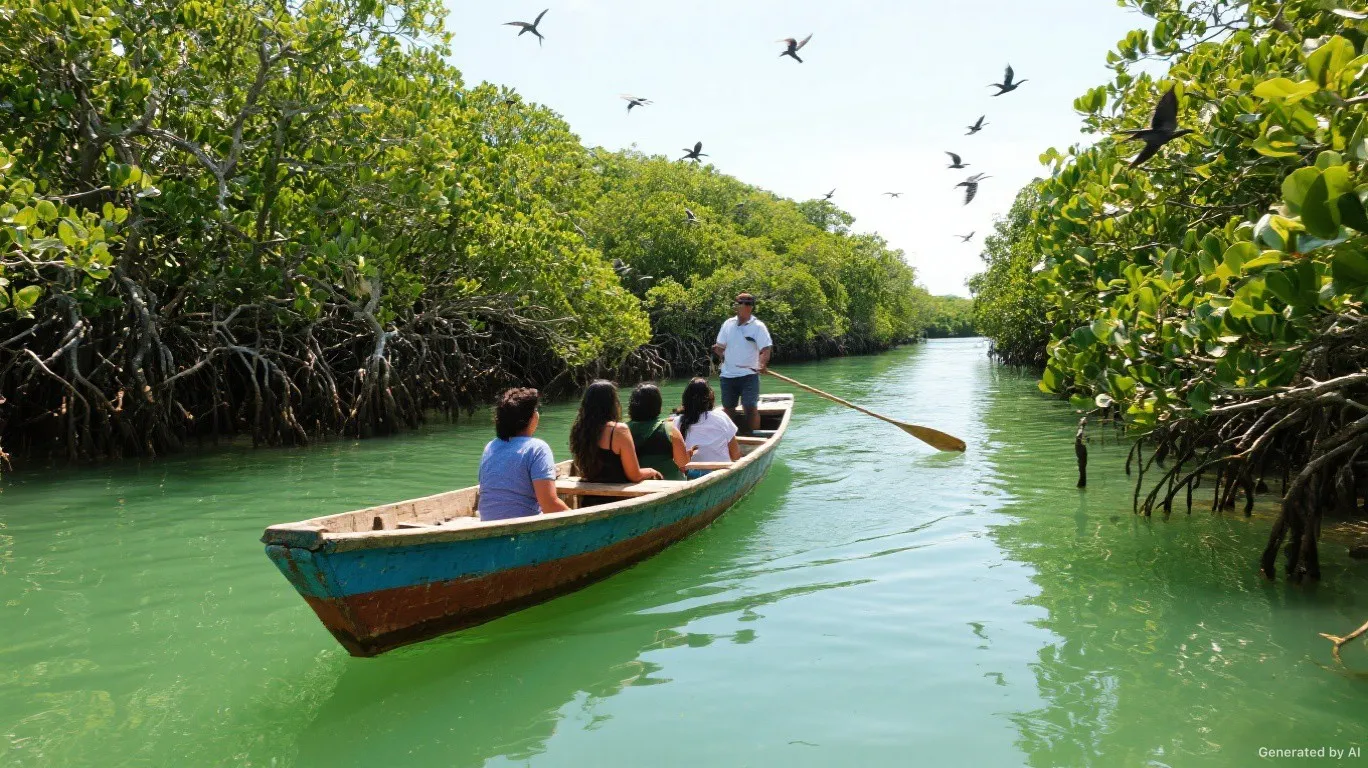
Curaca Chilimasa and the Battle of the Mangroves (1532)

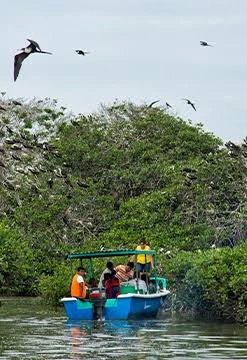
The first organized armed indigenous resistance in South America, fought in the mangrove estuaries of Tumbes in April 1532.

Historical significance

First formal armed indigenous battle against Spanish conquistadors in South American history.

#Indigenous Resistance#Chief Chilimasa#La Chepa Mangroves#Military History
Era 031821 – 1901
3 historical milestones

Independence and Early Republic

Independence proclamation on January 7, 1821, self-determination, early oil industry in Zorritos and provincial status.

November 1863Zorritos

First Oil Well in South America (Zorritos, 1863)

First mechanized oil well drilled in South America (Zorritos, November 1863), launching the continent's modern hydrocarbon era.

Historical significance

Drilling of Well No. 1 in Zorritos, foundational birthplace of industrial petroleum extraction in South America.

#Oil Industry#Zorritos#Energy Revolution#Continental Milestone
1901Tumbes

Creation of the Coastal Province of Tumbes (1901)

Special administrative status enacted in 1901 granting Tumbes direct presidential dependency to secure the northern frontier.

Historical significance

Special territorial status enacted to provide Tumbes with geopolitical autonomy and northern border security.

#Sovereignty#Northern Border#Territorial Autonomy#Republic Laws
Era 04
5 historical milestones

Campaña de 1941 y Soberanía

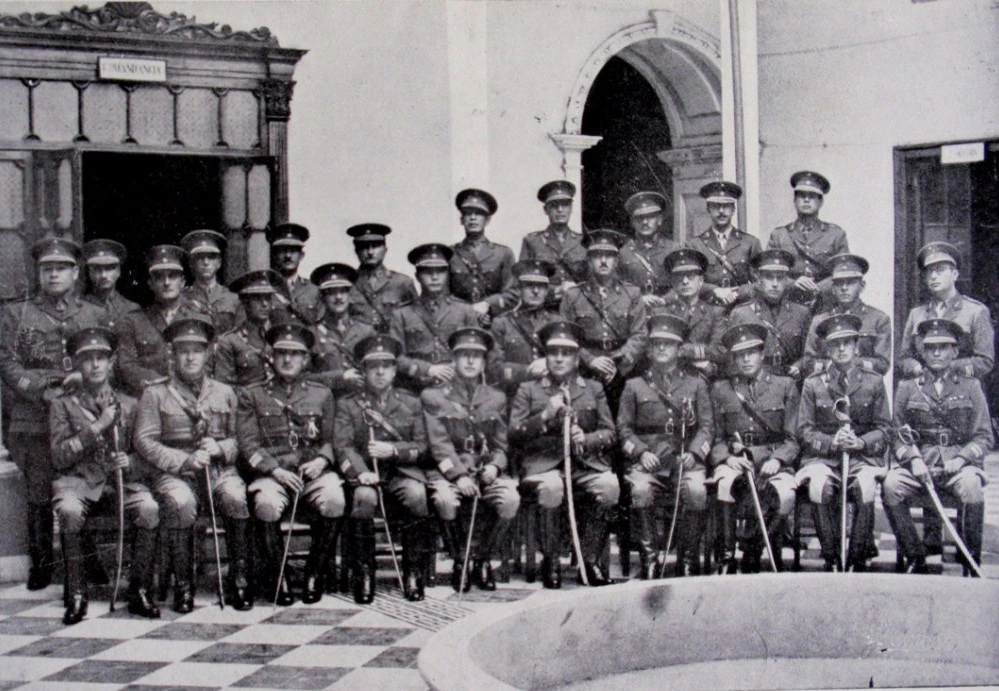
Campaña Militar de 1941, Batalla de Zarumilla, héroe José A. Quiñones, Protocolo de Río y creación del Departamento de Tumbes.
July 23 – 31, 1941Zarumilla

Battle of Zarumilla and the 1941 Military Campaign

Decisive military victory of July 1941 on the Zarumilla River and first mechanized tank assault in South America.

Historical significance

Decisive military victory on the Zarumilla River and first combat deployment of armored tanks in the southern hemisphere.

#Battle of Zarumilla#Military History#Sovereignty Defense#1941 Campaign
July 23, 1941Tumbes

Heroic Sacrifice of José Abelardo Quiñones (1941)

Supreme heroic sacrifice of Lieutenant José Abelardo Quiñones diving his burning fighter into enemy batteries at Quebrada Seca.

Historical significance

Heroic sacrifice of Lieutenant José Abelardo Quiñones in Quebrada Seca, Grand General of the Air and National Hero of Peru.

#National Hero#José Abelardo Quiñones#Air Force#Quebrada Seca
July 31, 1941Zarumilla

First Combat Airborne Assault in the Americas (1941)

First combat airborne assault in the Americas, executed by Peruvian paratroopers jumping over Puerto Bolívar on July 31, 1941.

Historical significance

First combat airborne paratrooper drop in the Americas, executed by Peruvian paratroopers over Puerto Bolívar.

#Military Paratroopers#Puerto Bolívar#Continental Aviation#Warfare Milestone
November 25, 1942Tumbes

Creation of the Department of Tumbes (Law No. 9667)

Enactment of Law No. 9667 on November 25, 1942, establishing the Department of Tumbes with its three provinces.
Historical significance

Enactment of Law No. 9667 elevating Tumbes to Department status with its three historic provinces.
#Law 9667#Department Status#Tumbes Provinces#Institutional History
1942 & 1998Aguas Verdes

Peace Treaties: Rio Protocol (1942) and Brasilia Act (1998)

Definitive peace and border treaties establishing Peru's boundary along the Zarumilla River and driving binational integration.

Historical significance

International peace treaties that established definitive borders and catalyzed binational integration in Zarumilla.

#Border Peace#Rio Protocol#Brasilia Act#Binational Integration