Code of Ethics
Our principles of environmental conservation, responsible tourism, fair trade, and zero tolerance for exploitation.
1. Purpose and Ethical Commitment to the Tumbes Region
This Code of Ethics governs MiTumbes’ core principles. We firmly believe that tourism must be an engine for fair economic development, community well-being, and heritage conservation on Peru’s northern coast.
We advocate for transparent tourism that respects Tumbesian cultural identity and demonstrates rigorous stewardship of our coastal and marine ecosystems.
2. Ecosystem and Wildlife Conservation
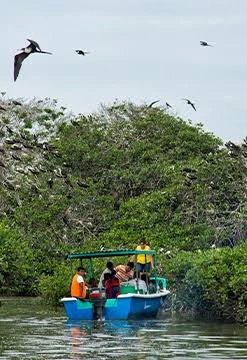
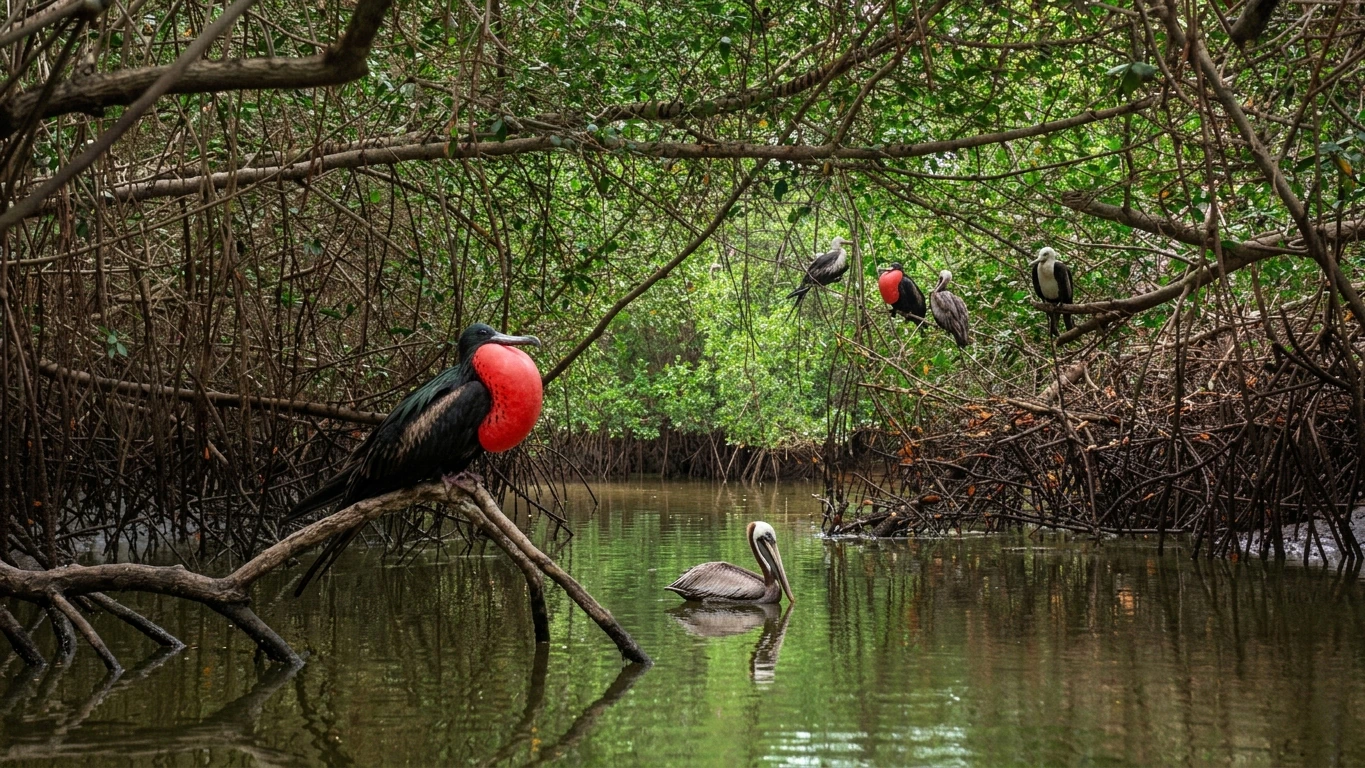
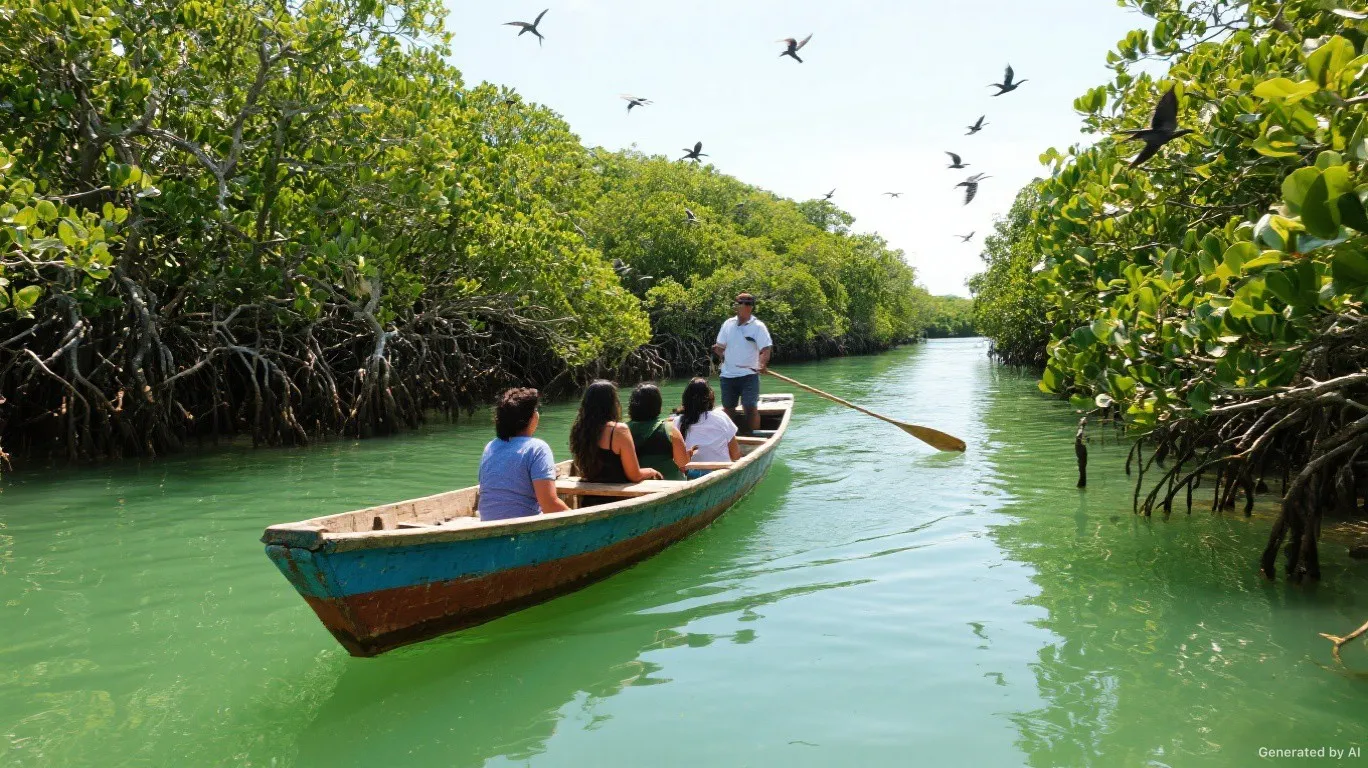
Tumbes is home to unique and fragile Peruvian ecosystems: Los Manglares de Tumbes National Sanctuary in Puerto Pizarro, Cerros de Amotape, and the warm Pacific marine corridor frequented by migratory species.
Our code establishes non-negotiable environmental commitments:
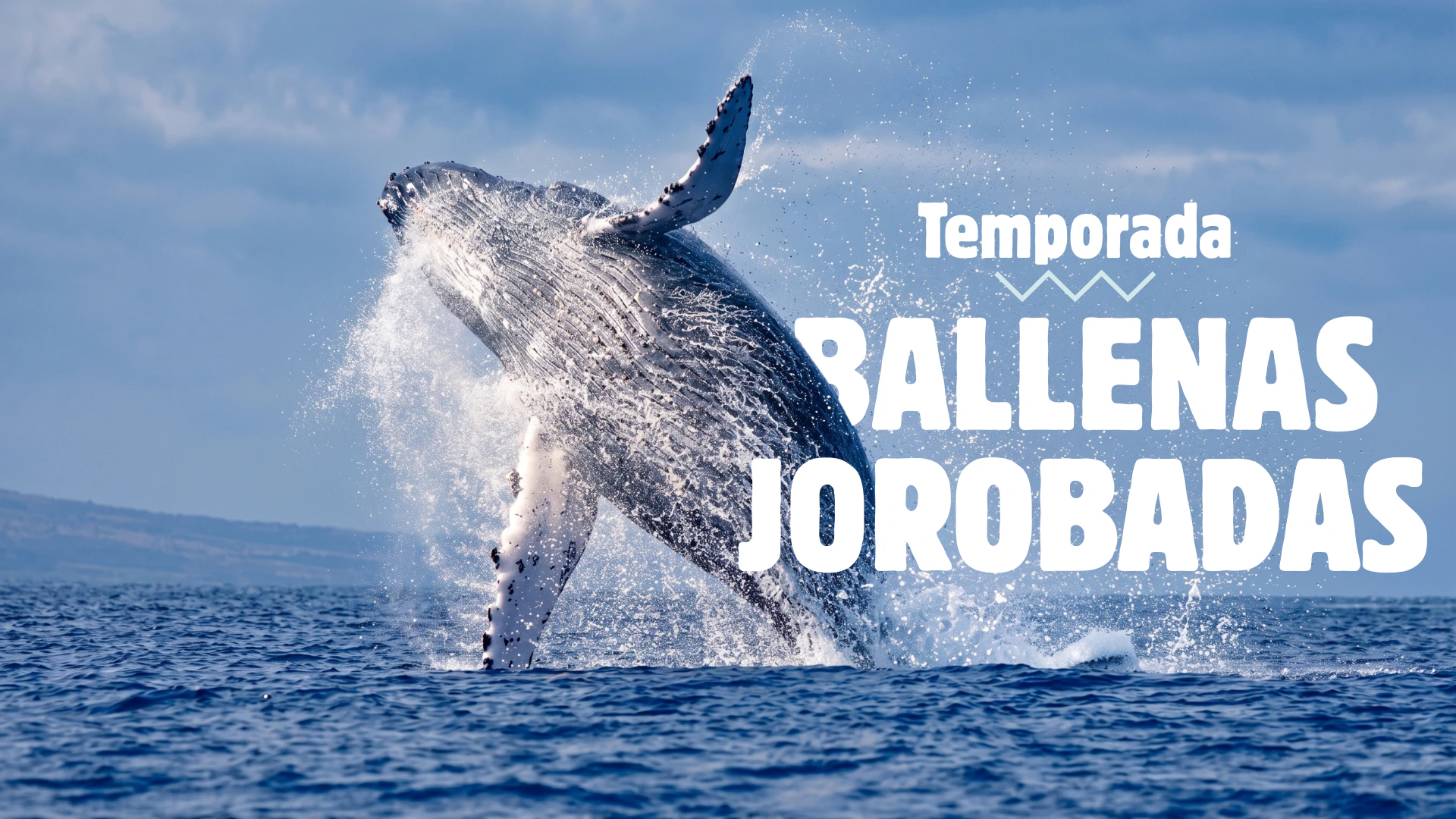
- Responsible Humpback Whale and Marine Life Watching: Promoting only authorized vessels adhering to safe distances (minimum 50m for adults, 100m for mothers with calves), low speeds, and non-pursuit rules.
- Mangrove Ecosystem Protection: Strict adherence to biological ban periods and minimum harvest sizes for black clams (Anadara tuberculosa) and mangrove crabs (Ucides occidentalis).
- Plastic-Free Beaches: Advocating zero single-use plastic waste across beaches including Punta Sal, Zorritos, Cancas, and Bocapán.
3. Truthfulness, Transparency, and Zero Fake Reviews
At MiTumbes, we do not tolerate misleading advertising, hidden fees, or artificially inflated reviews. Every entry for places, dining, lodging, or activities is locally verified with accurate contact, location, and amenity details.
We prioritize authenticity and quality of traveler experience over commercial bias.
4. Fair Trade and Support for Local Entrepreneurs
We provide equitable digital visibility to artisanal fishers, traditional cooks, ancestral mangrove harvesters, craftspeople, and certified local guides who represent genuine Tumbesian hospitality.
We encourage tourism spending that directly benefits local families in coastal coves and districts, combating predatory intermediation.
5. Zero Tolerance for Exploitation (ESNNA Code)
MiTumbes asserts zero tolerance and absolute rejection of any form of Commercial Sexual Exploitation of Children and Adolescents in tourism (ESNNA), in strict compliance with Peruvian General Tourism Law No. 29408 and national legislation.
We require all registered tourism providers, lodgings, and transport operators to uphold this commitment and immediately report any suspicion of child exploitation to competent authorities.
6. Responsible Traveler Guidelines for Tumbes
We invite every visitor to act as an ambassador for sustainable tourism during their stay in Tumbes:
- Always pack out your trash and avoid single-use plastics on beaches and mangroves.
- Respect sea turtle nesting grounds and avoid touching or disturbing wild fauna.
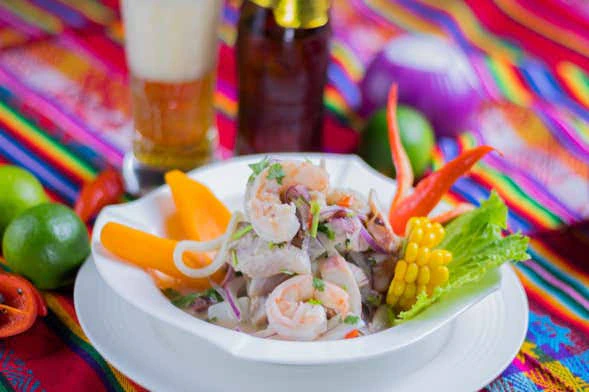
- Practice responsible seafood consumption: do not order banned species or undersized catches.
- Choose licensed, certified tour guides and operators authorized by DIRCETUR Tumbes.
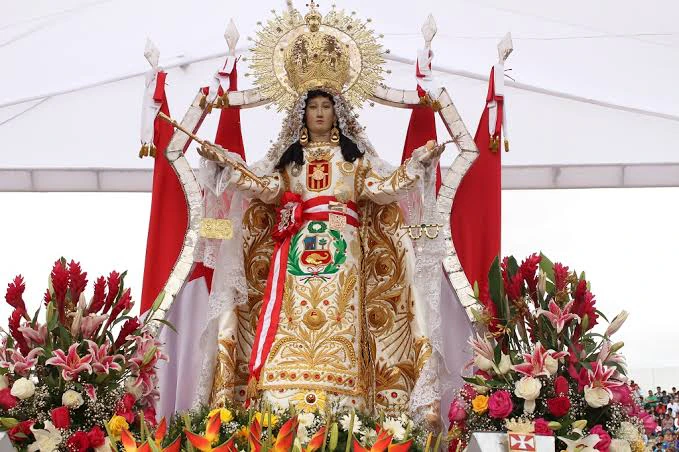
- Honor and respect the cultural traditions of local coastal and rural communities.