 History
Caleta La Cruz and the First Cross of Peru (1532)
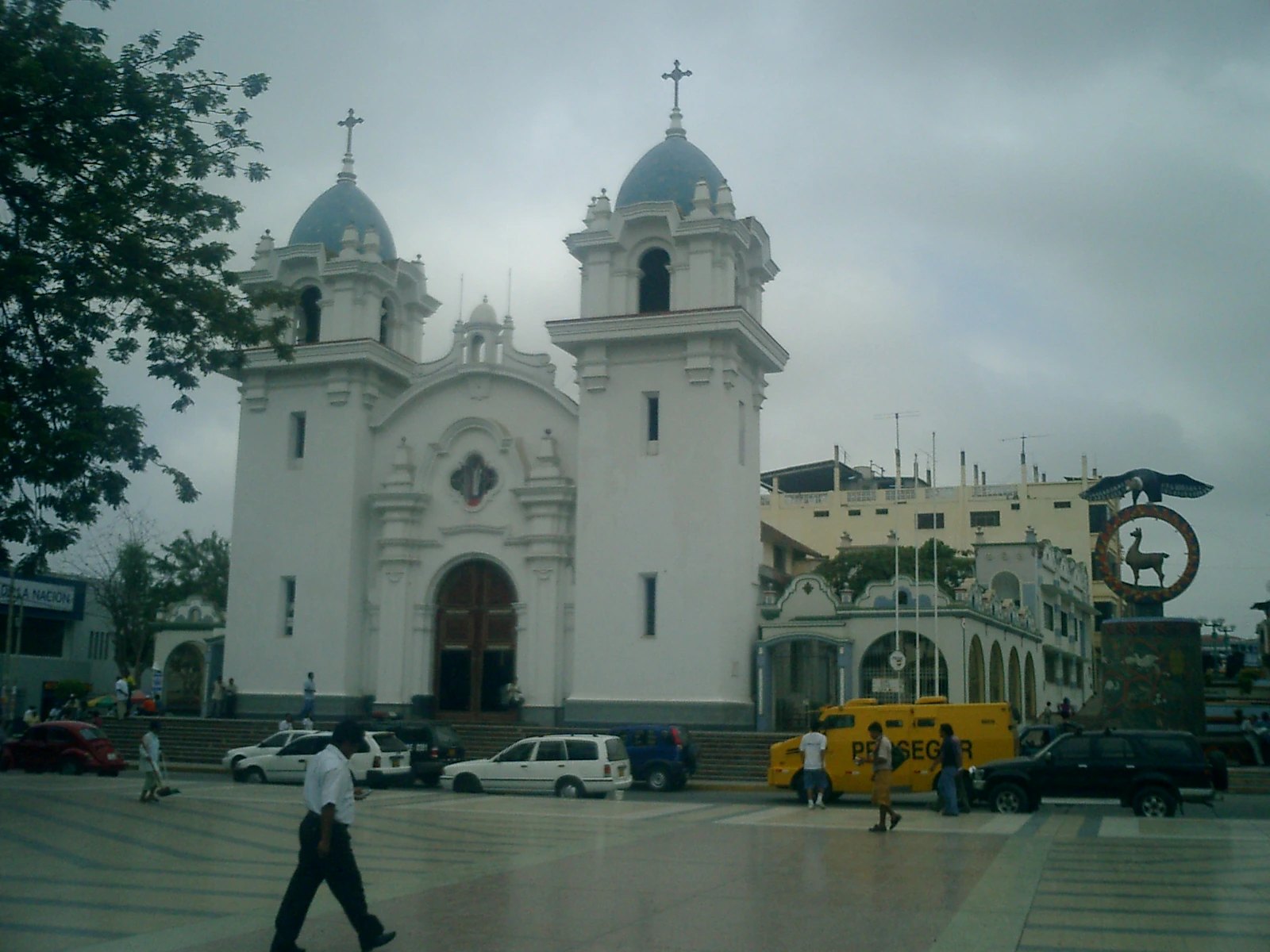
Foundational landing precinct where Francisco Pizarro raised the first Christian cross in Peru in May 1532.


Historical significance
Key viceregal harbor in the South Sea, successfully defended by local archer militias against English corsairs.
Throughout the viceregal era, Tumbes was configured as a vital maritime frontier and supply outpost under the administrative oversight of the Corregimiento de Piura (and subsequently the Intendencia de Trujillo). Following the demographic shock caused by Old World epidemics, the scattered indigenous lineages were concentrated in the colonial reduction town of San Nicolás de Tumbes, organized under the encomienda system granted to Spanish conquerors such as Antonio de San Martín, Rodrigo Méndez, and Gómez Arias Dávila.
Despite its modest urban layout—consisting primarily of adobe and timber dwellings inhabited by indigenous fishermen, farmers, and Mestizo river navigators—the roadstead of Tumbes occupied an irreplaceable geopolitical position in the cartography of the Mar del Sur (South Sea). Being the first continental port endowed with copious potable water after descending the Pacific currents from Panama and clearing the treacherous shoals of the Gulf of Guayaquil, Tumbes was an obligatory landfall for Spanish merchantmen and armada vessels requiring hull careening, caulking, and freshwater restocking (aguada).
This strategic hydrographic prominence rendered Tumbes extraordinarily vulnerable to predatory raids by European corsairs and buccaneers challenging the Spanish Empire:
To survive these relentless assaults in the absence of heavy masonry fortifications, the viceregal authorities organized permanent lookout garrisons on the coastal hills and formed militias of skilled indigenous archers to defend the freshwater wells along the riverbanks, cultivating a resilient tradition of armed border vigilance that endured for centuries.
Information verified and compiled by the MiTumbes editorial team.
Webpage citation according to APA guidelines (7th edition).
MiTumbes. (2026, September 24) San Nicolás de Tumbes and Defense Against South Sea Corsairs. MiTumbes.https://www.mitumbes.com/en/conquista-y-virreinato/san-nicolas-de-tumbes-y-corsarios/
Keep exploring
HistoryFoundational landing precinct where Francisco Pizarro raised the first Christian cross in Peru in May 1532.
 History
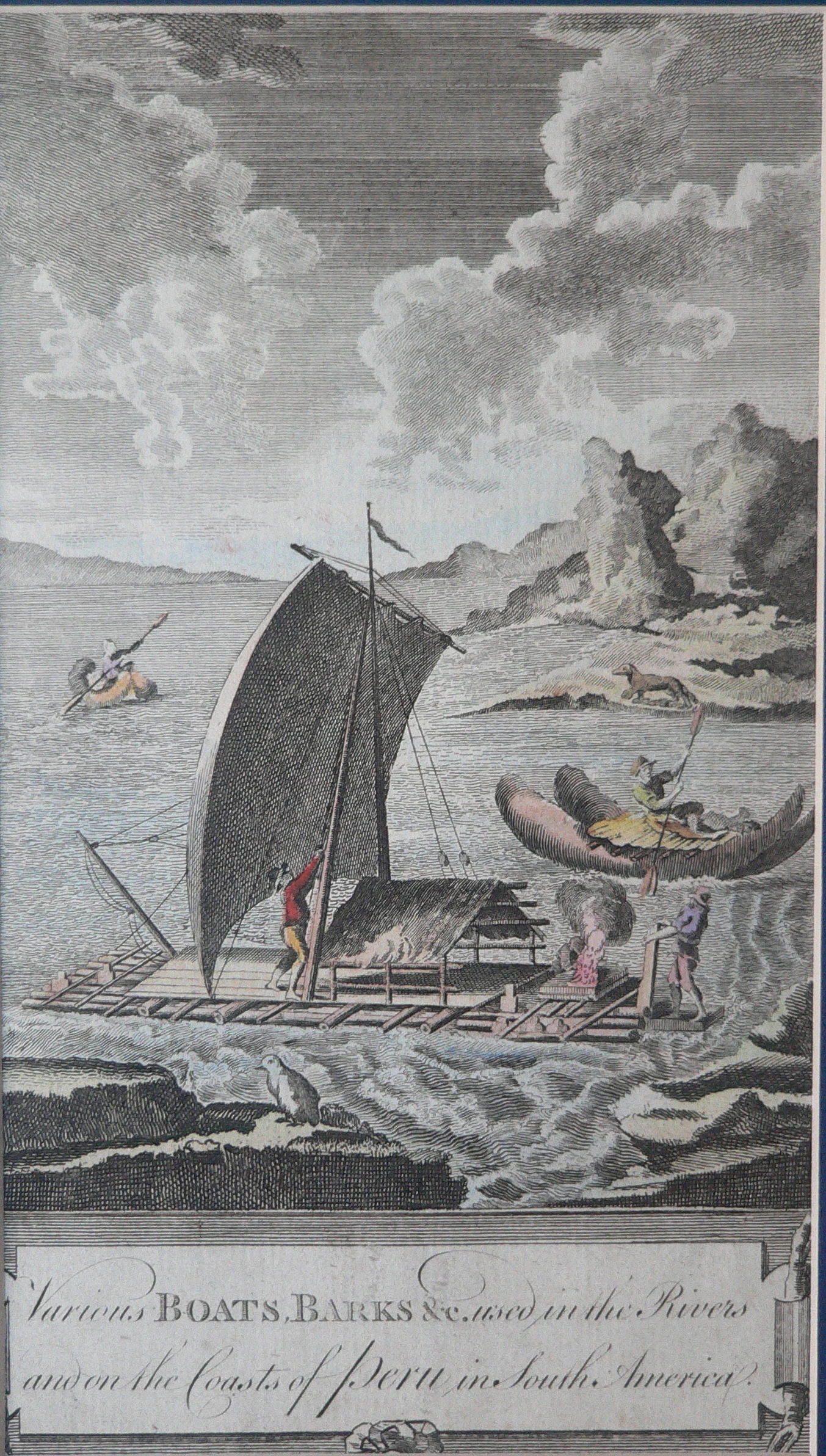
Oceanic balsa technology and hydrodynamic guara centerboards that allowed pre-Hispanic navigation to Mesoamerica without a rudder.
HistoryEnactment of Law No. 9667 on November 25, 1942, establishing the Department of Tumbes with its three provinces.
Pick the places you want to visit, assign the days you prefer and set your budget. You decide your route.
No places match that search.
 In your route
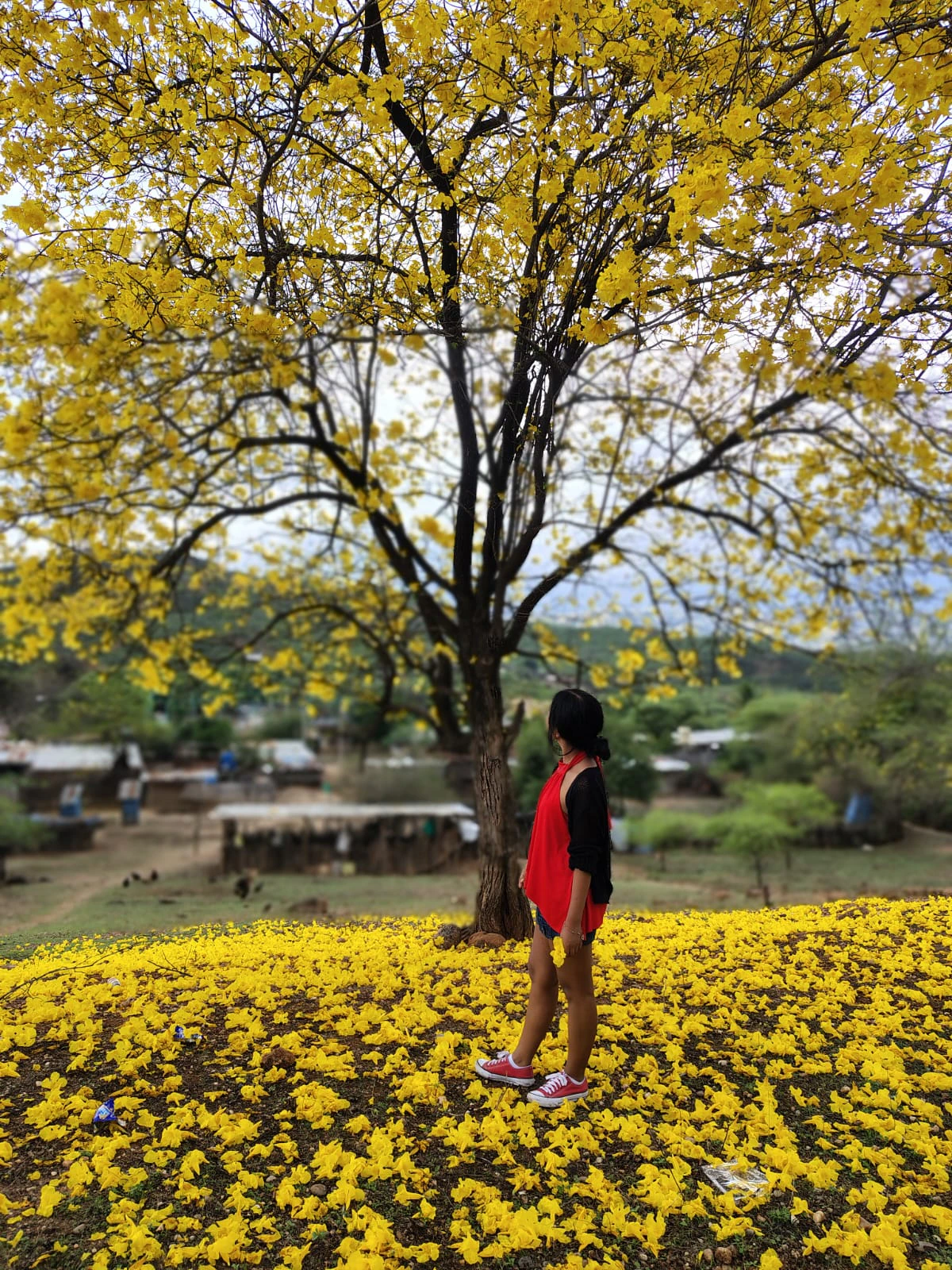
Technical 5-day / 4-night expedition from Piura to witness the golden guayacan bloom and explore the Tumbes coast.
 In your route
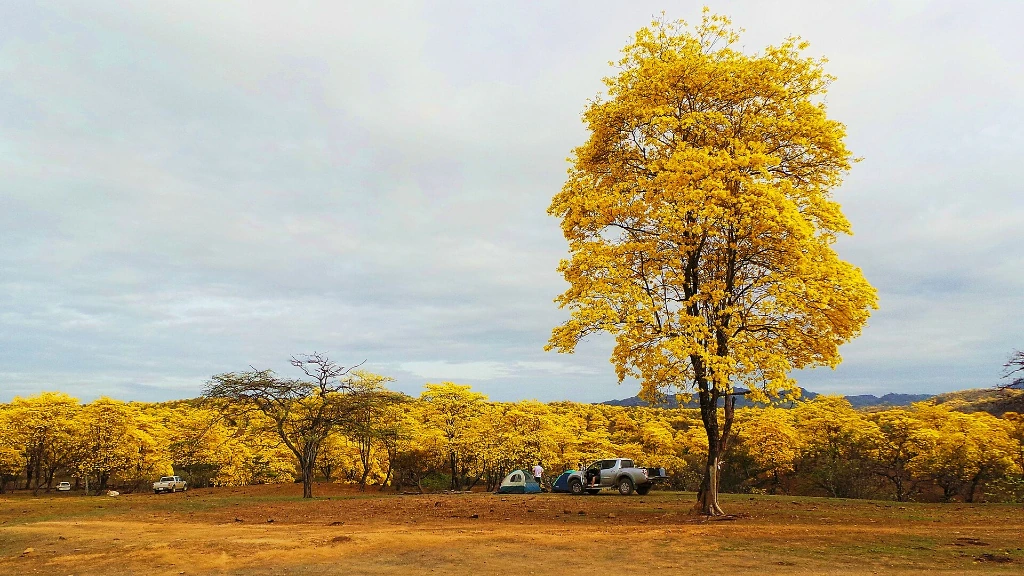
Unique 5 to 7 days window: massive guayacan bloom at Cerros de Amotape following early rains.
 In your route
 In your route
 In your route
 In your route
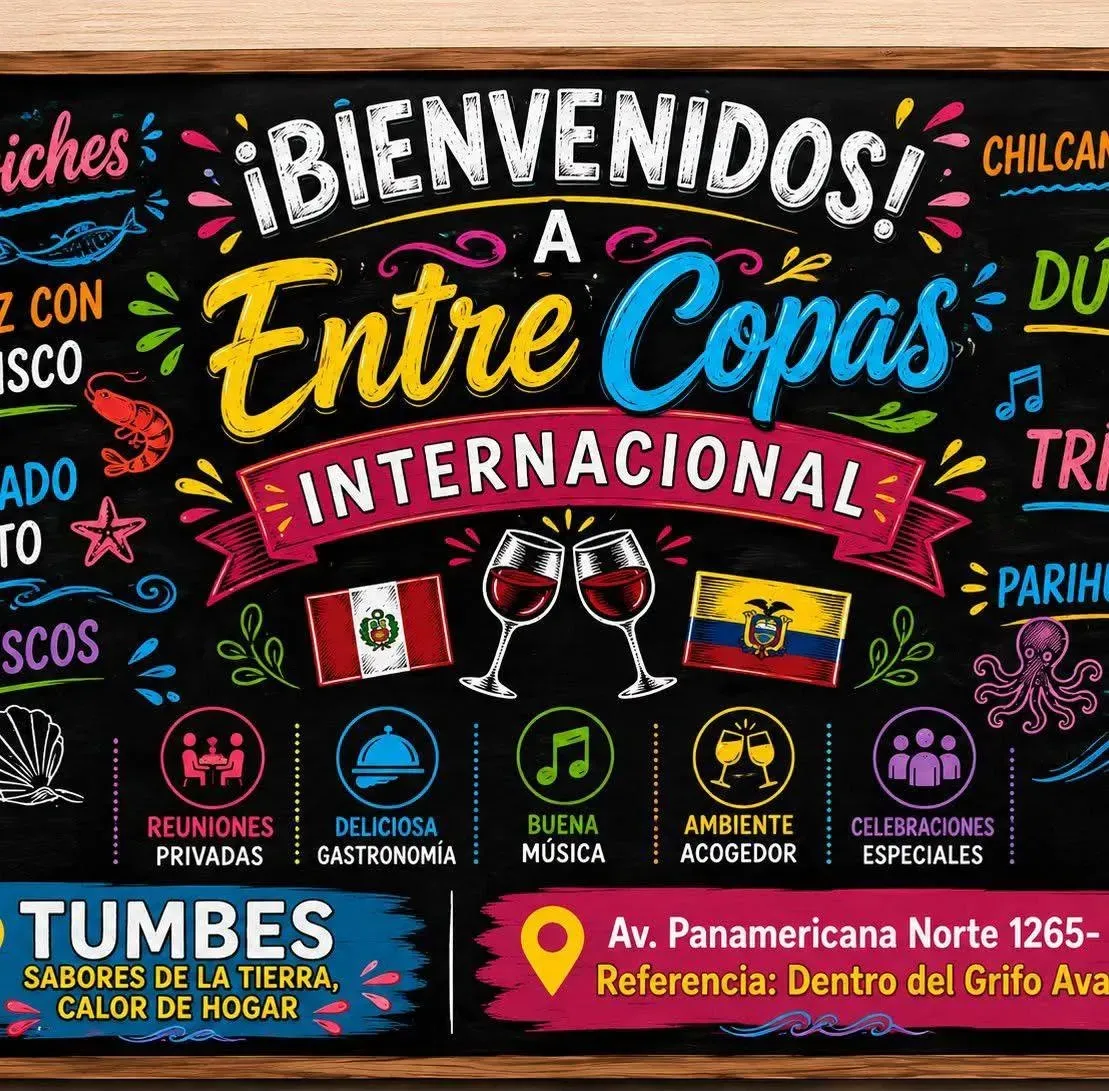
Cevichería and restaurant in Tumbes with seafood, criollo dishes, grills, live music, and private celebrations.
 In your route
Traditional black clams and tres al hilo in Barrio San José.
 In your route
 In your route
Beachfront hotel in Bocapán, Zorritos, ideal for family relaxation with pool, restaurant, and direct beach access.
In your routeMonumental seafood platters, lobster, and crab parihuela in Zorritos.
 In your route
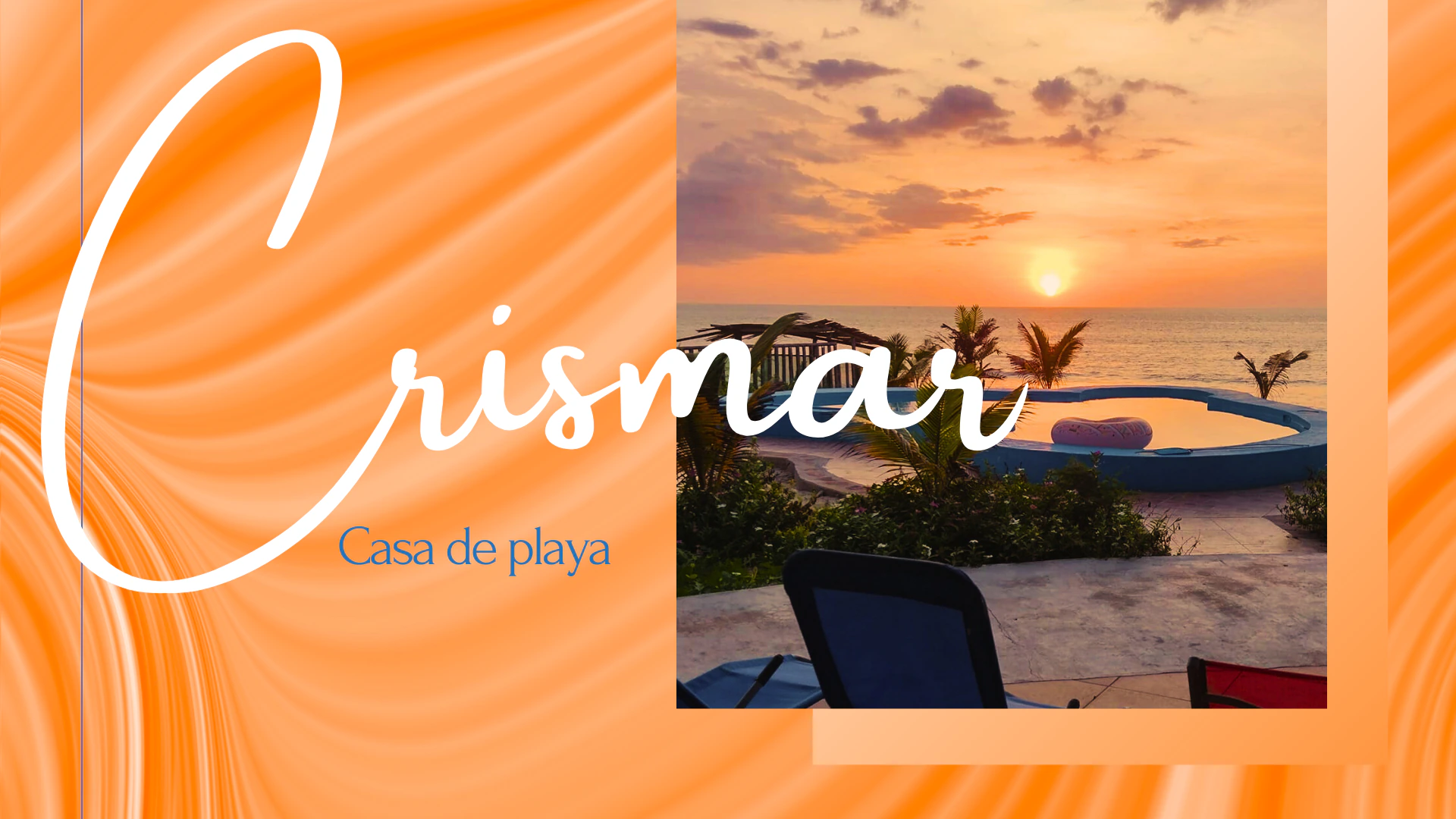
Casa de playa frente al mar en Canoas de Punta Sal (Zorritos, Tumbes): piscina para 11 personas, 3 dormitorios con acceso a playa y piscina,…
 In your route
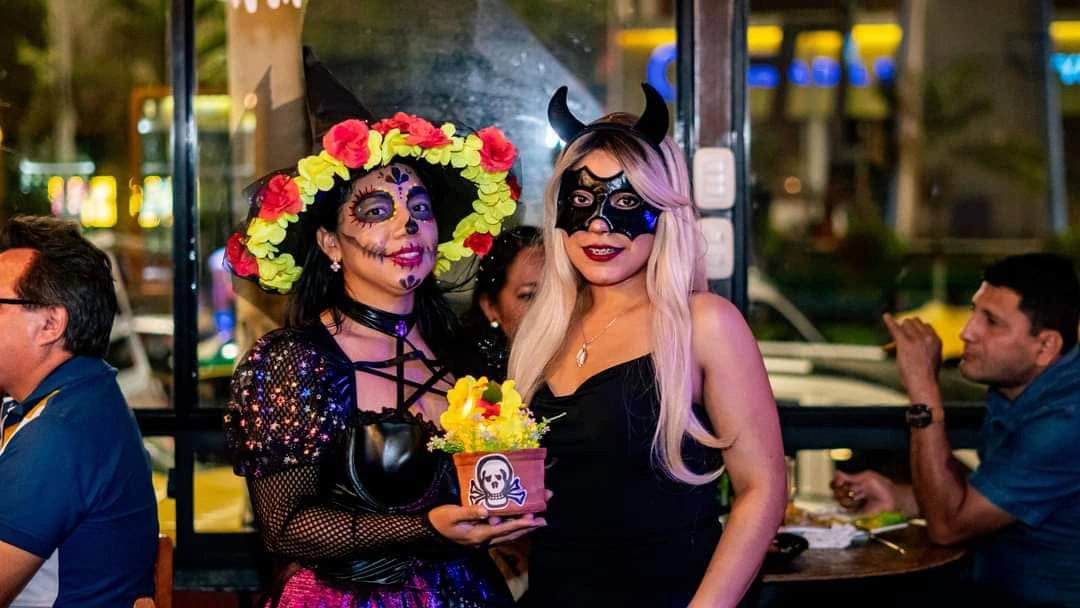
Gastrobar in Tumbes with live music on weekends and the best food. Bands: @clubcadillacmusic and @katharsisbanda.
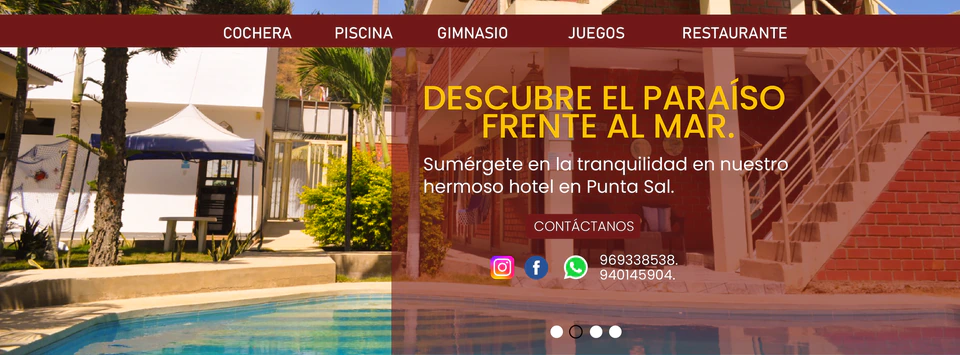
In your routeRustic beachfront hotel in Punta Sal: nature, warmth and real family moments.
 In your route
 In your route
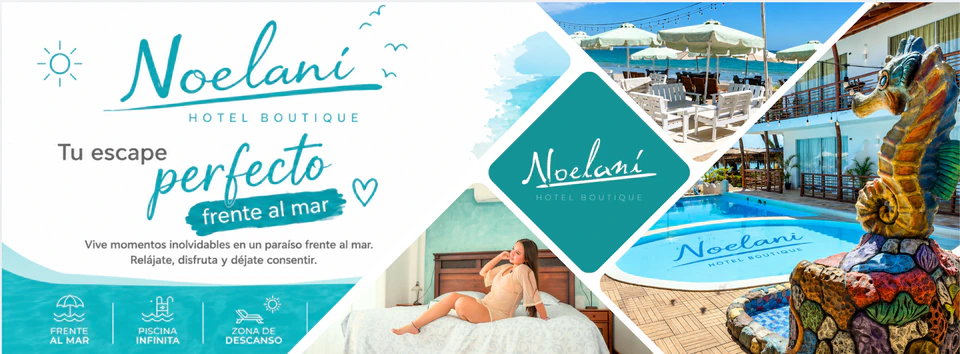
Comfortable oceanfront boutique hotel in Zorritos, northern Peru.
 In your route
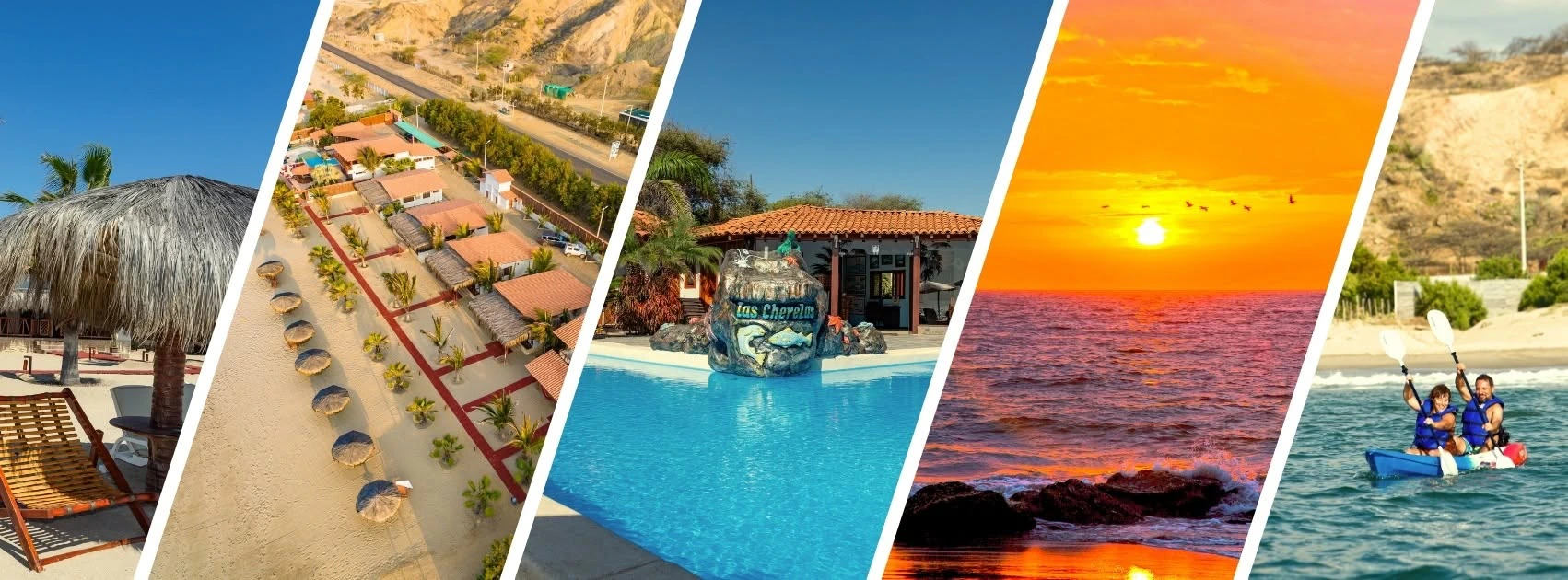
Sautéed shellfish, garlic fish, and coastal dining in Canoas de Punta Sal.
 In your route
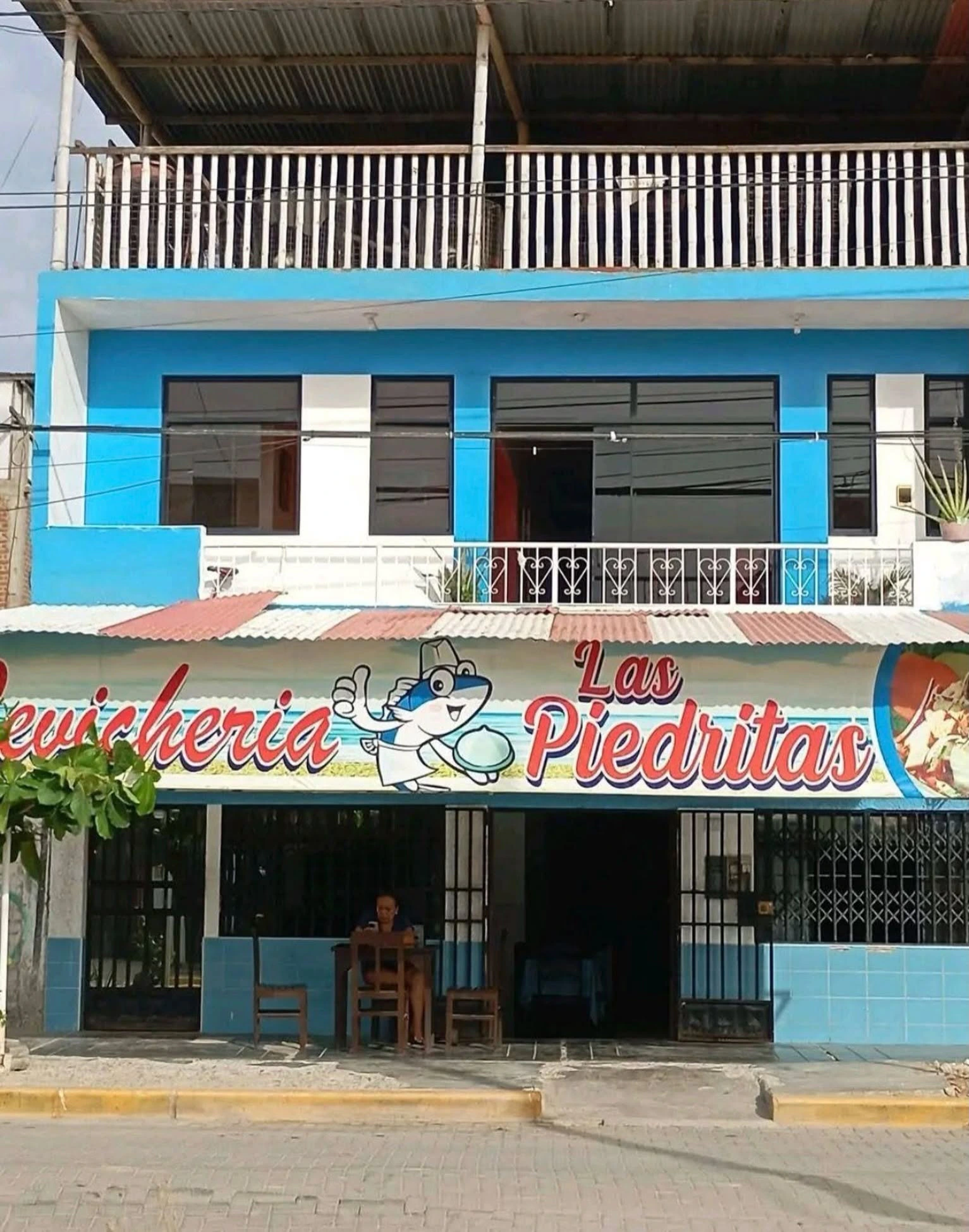
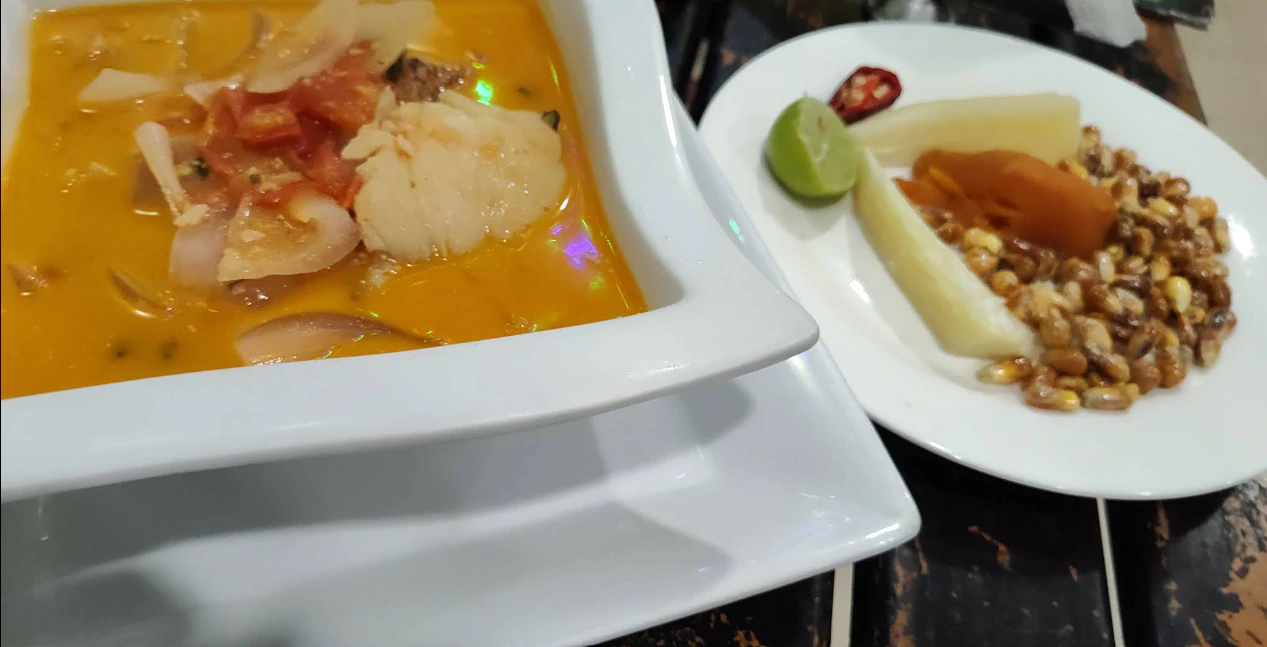
Traditional cevichería in Tumbes featuring mixed ceviches, seafood platters, home delivery, and cold beers.
 In your route
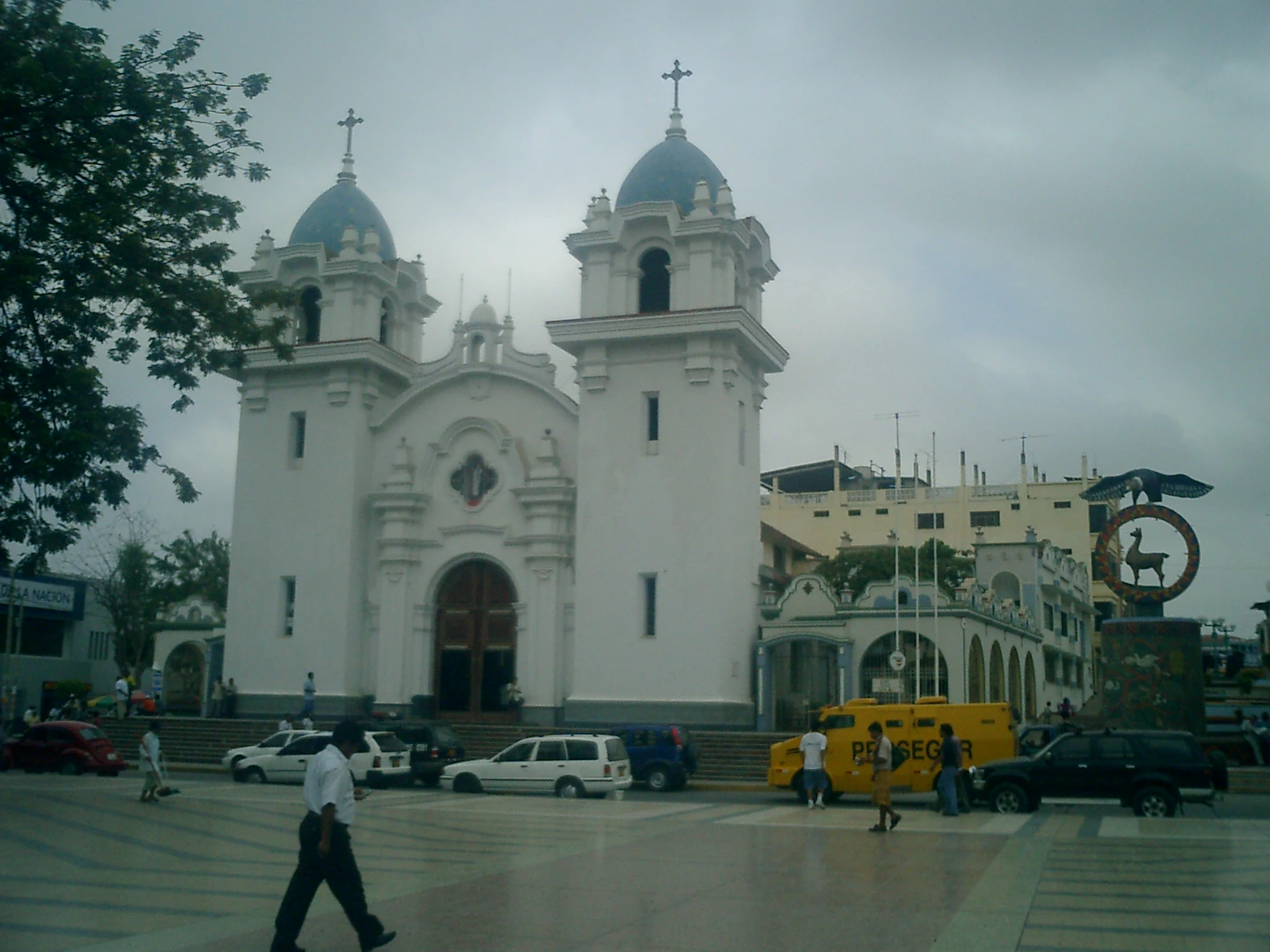
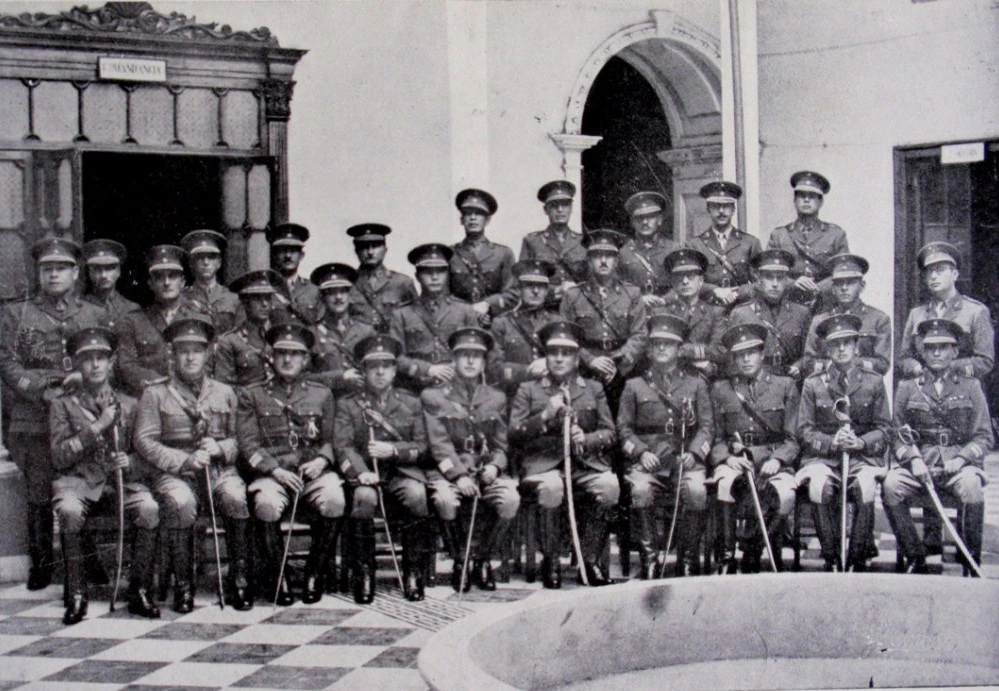
The capital of Tumbes honors its patron saint on September 10th.
 In your route
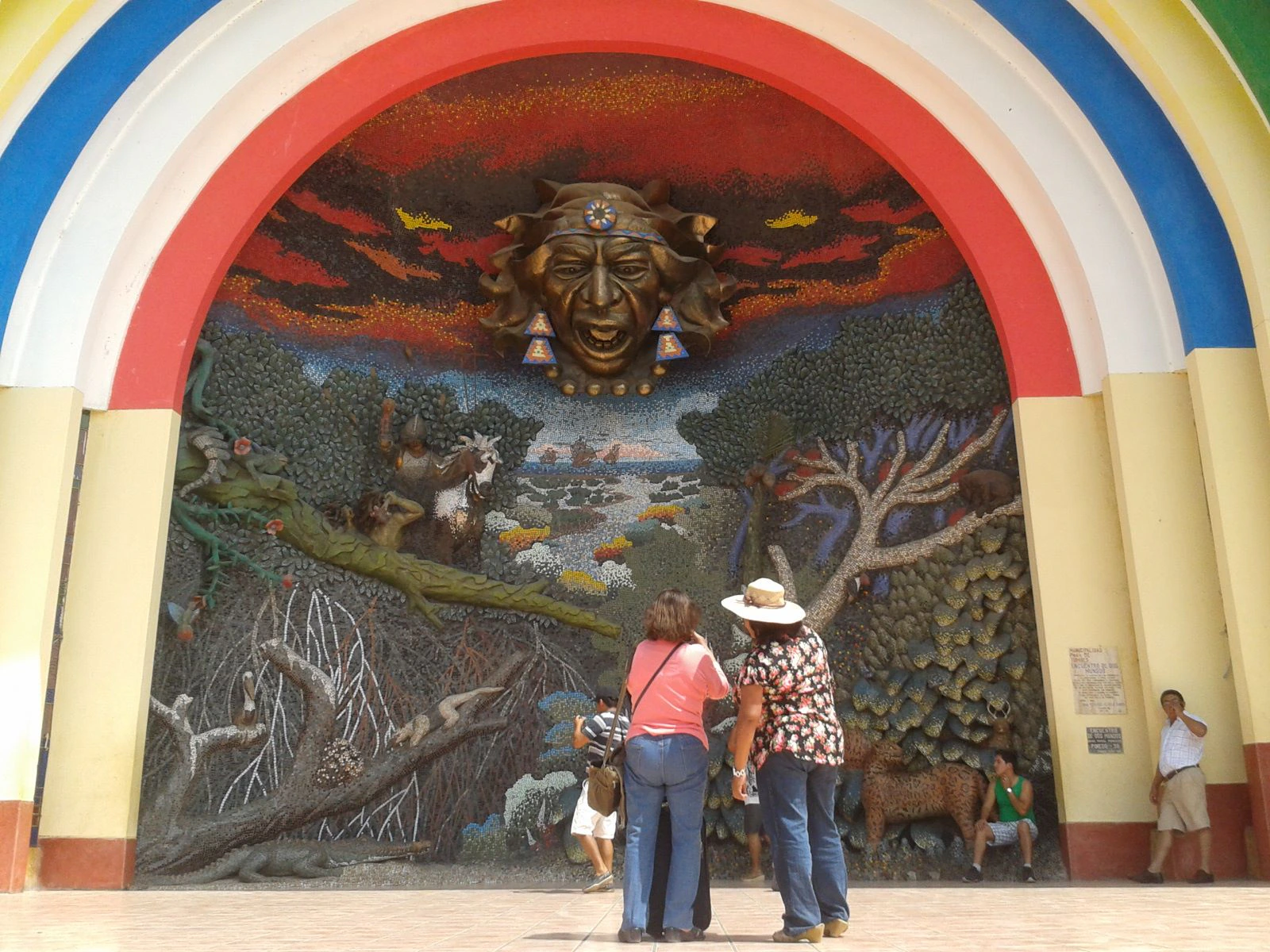
Armed forces parades and floral offerings in Zarumilla.
 In your route
Premier 4-star corporate and leisure hotel in downtown Tumbes.
 In your route
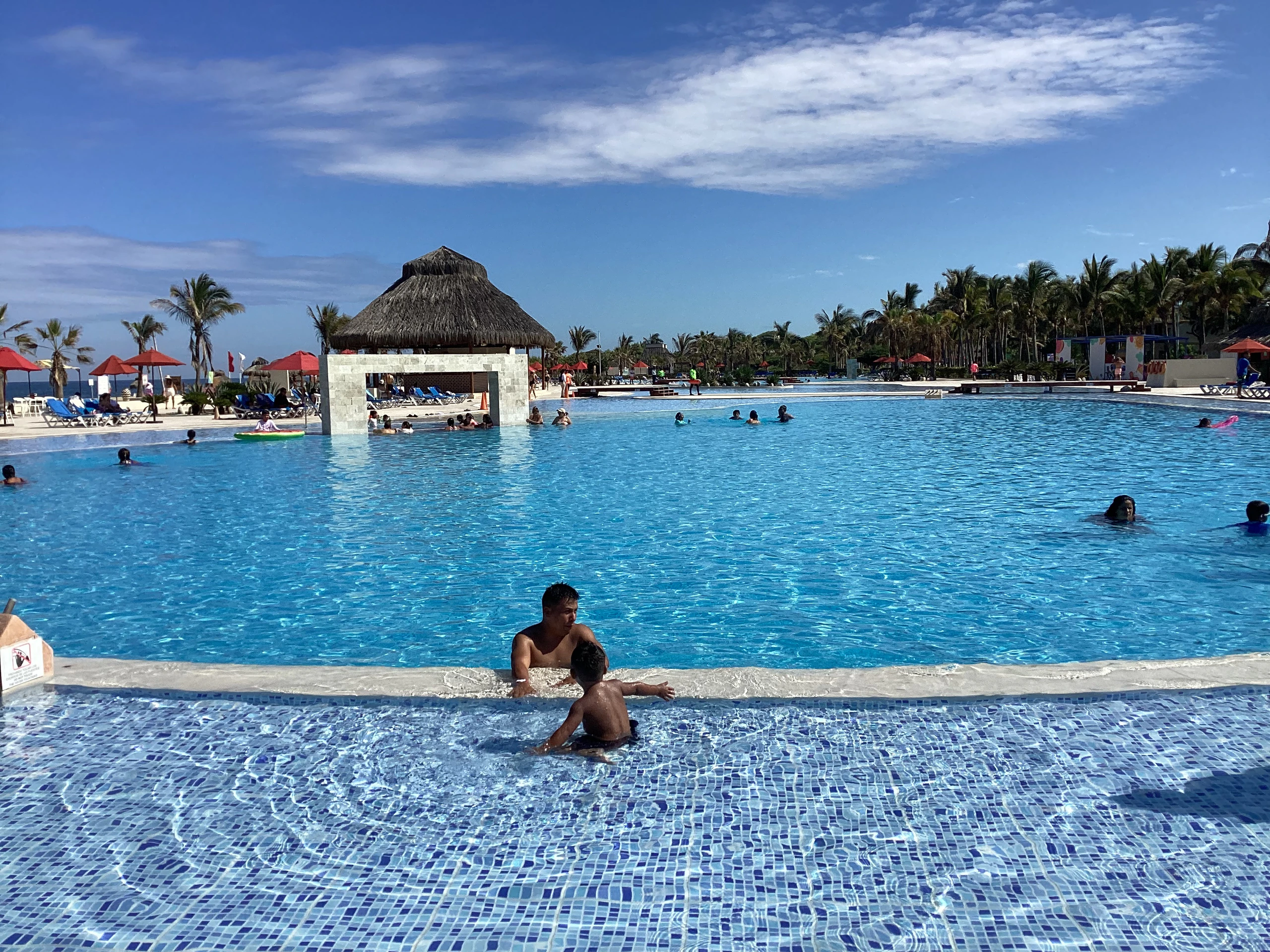
Exclusive boutique hotel in Canoas de Punta Sal with 9.8/10 guest satisfaction.
 In your route
All-inclusive beach resort in Punta Sal with 1.5 km of private beach.
 In your route
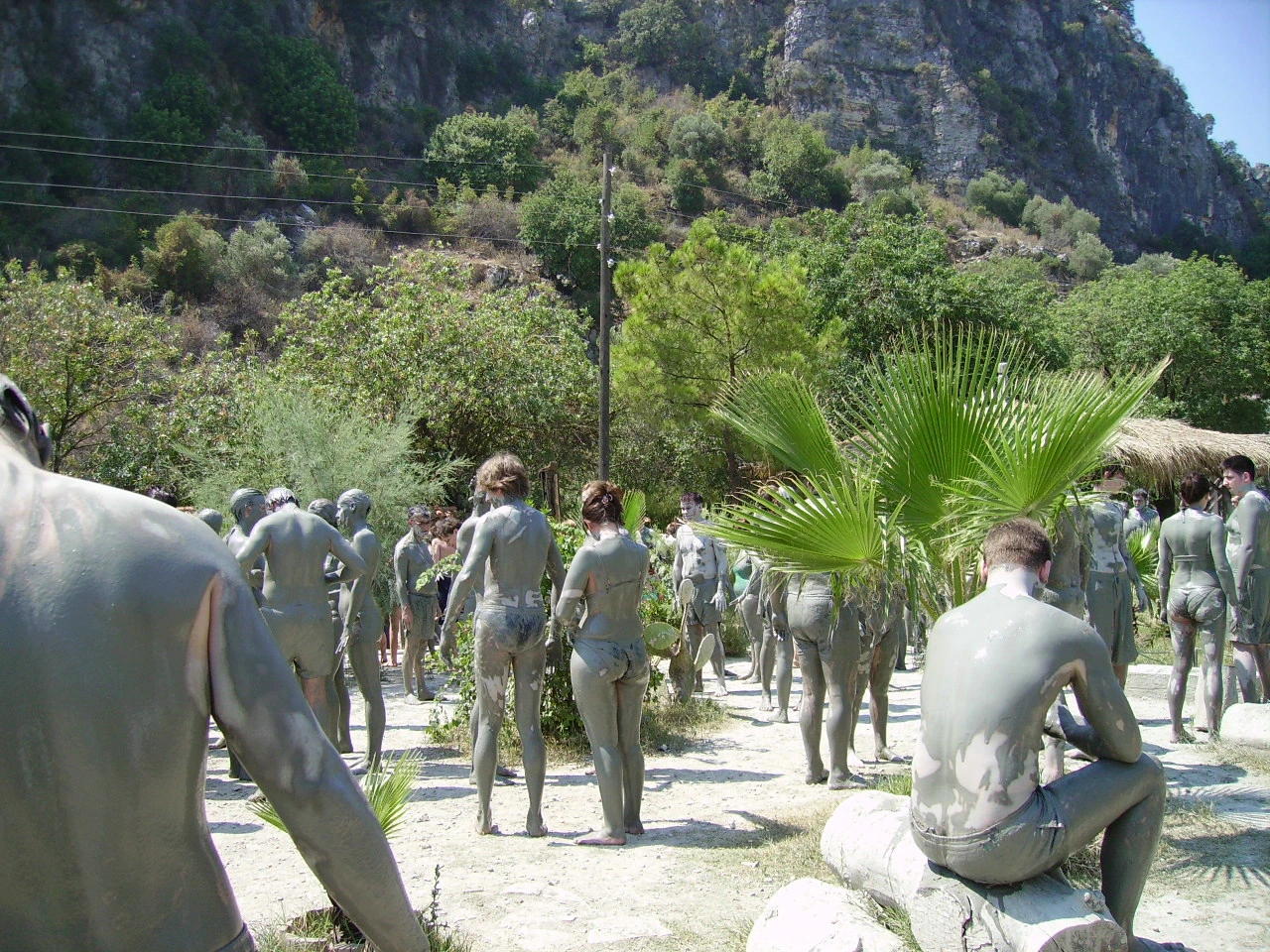
Therapeutic mineral thermal springs and medicinal mud baths at 30 °C.
 In your route
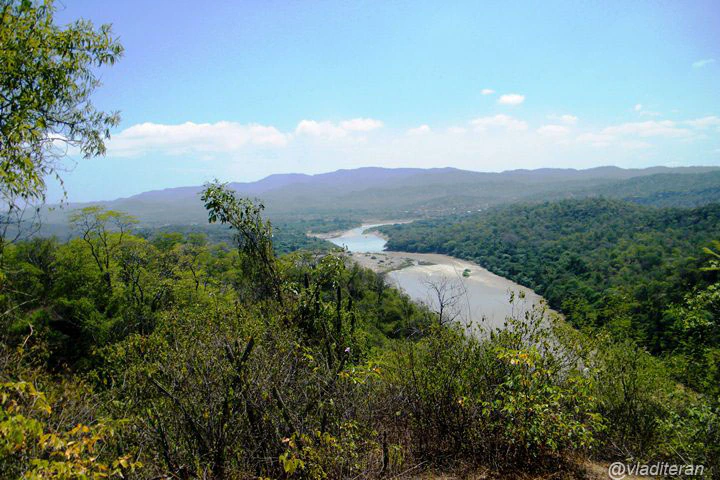
National Park bridging equatorial dry and tropical rainforests.
 In your route
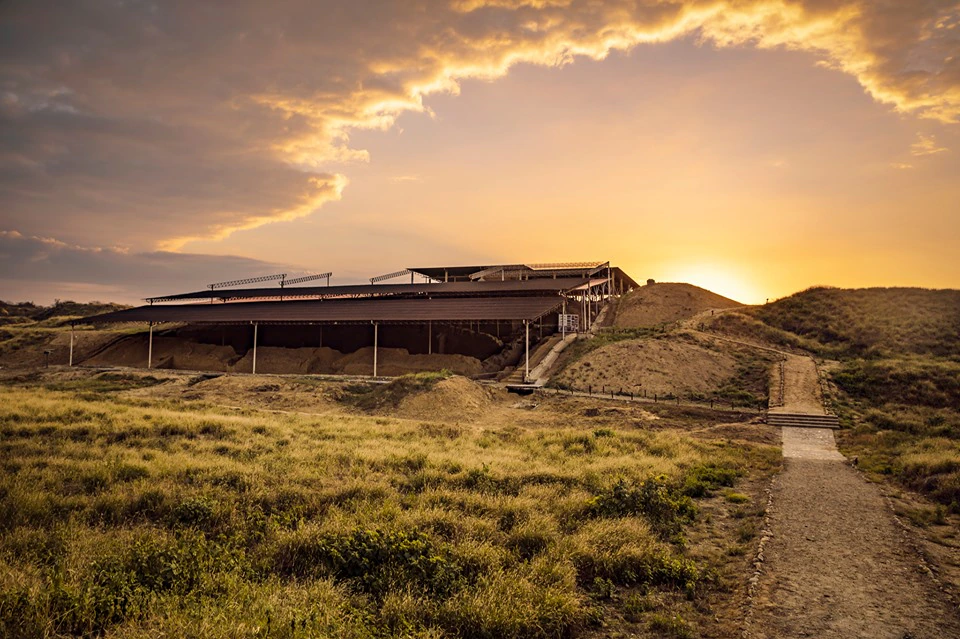
Major Inca adobe archaeological complex and Qhapaq Ñan coastal terminal.
 In your route
National Sanctuary protecting 2,972 ha of pristine mangrove channels.
 In your route
Sheltered bay with calm warm waters and beachfront resorts.
 In your route
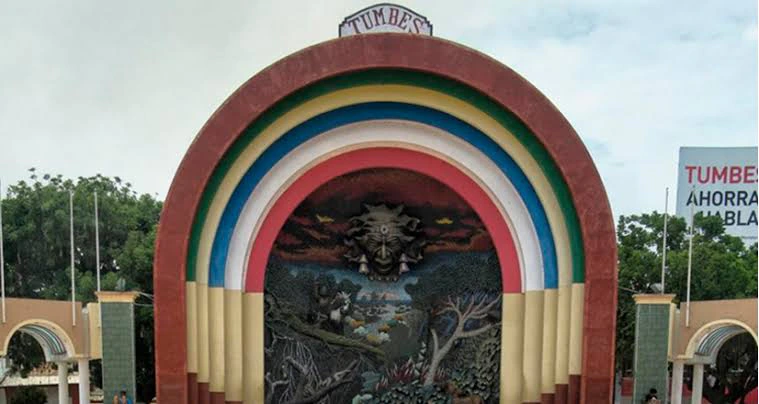
Foundational milestone of the region with parade and serenades.
In your routeCivic-institutional ceremonies in La Cruz and Pampas de Hospital.
In your routeCivic anniversary of the San Jacinto district.
 In your route
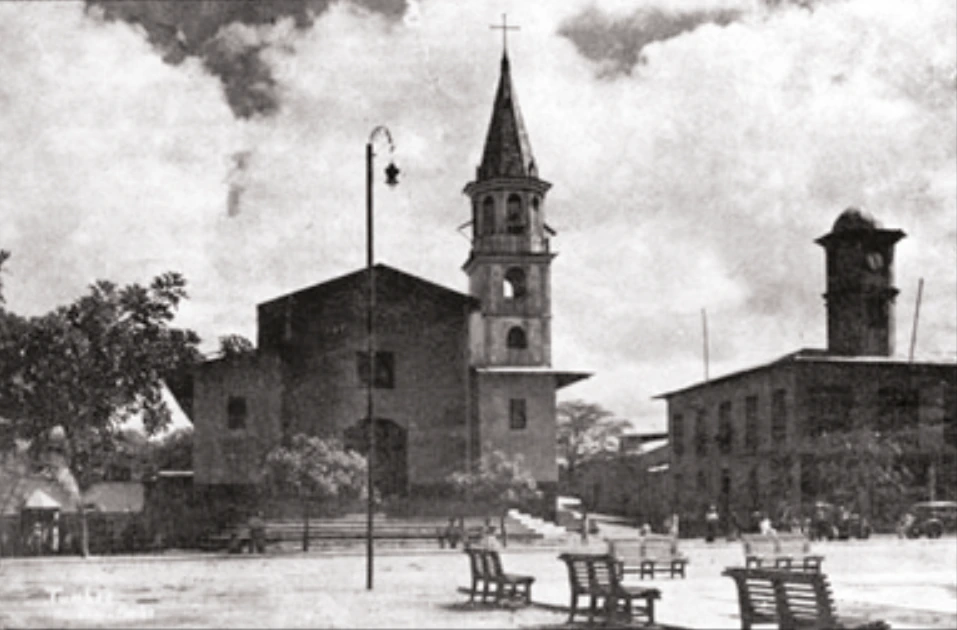
Peru's first independent city celebrates its most important civic date.
 In your route
The city of Tumbes welcomes the new year with a popular celebration in Bellavista.
 In your route
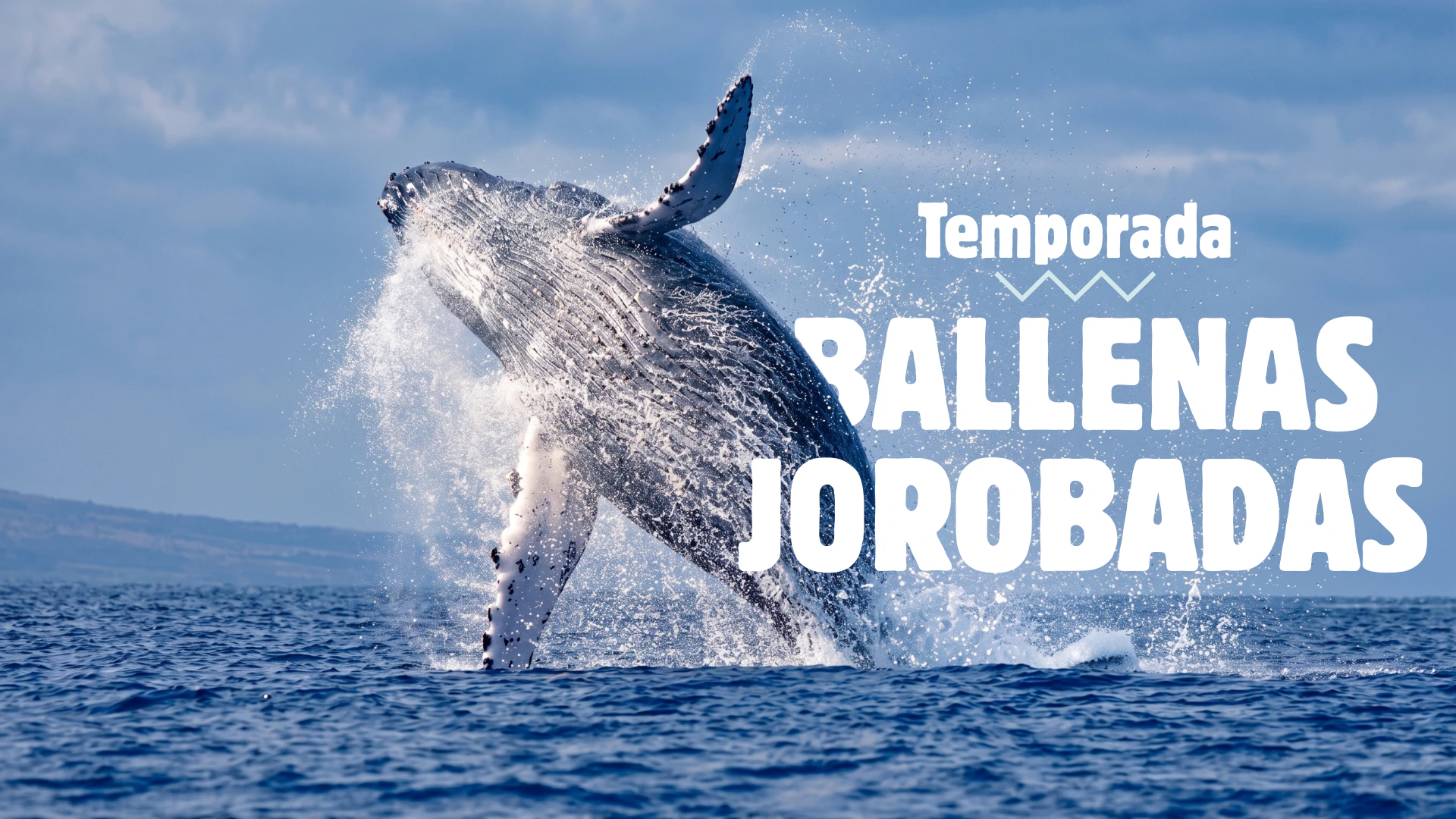
Humpback whales off the coasts of Zorritos and Canoas de Punta Sal, from June to October.
In your routeComparsas, water and color to celebrate carnival throughout the region.
In your routeLiturgies and official ceremonies at Caleta La Cruz.
In your routeDevotion, fair and cross-border trade in December.
 In your route
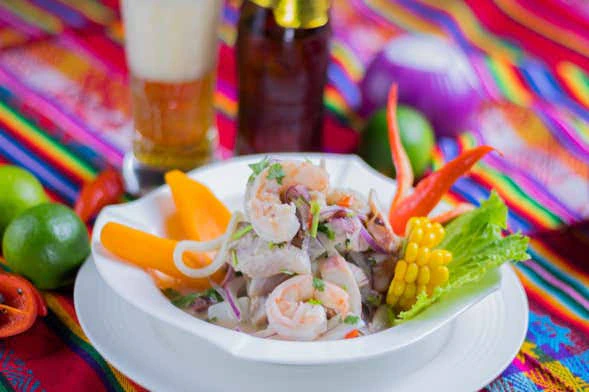
Gastronomic celebration in honor of ceviche.
 In your route
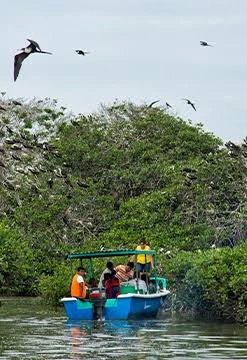
Poets from around the world gather in Tumbes to celebrate ecopoetry, during the last week of August.
In your routeReligious devotion and bilateral trade on the border.
In your routeDecember patron saint festival in Matapalo.
In your routeOpen-sea procession and the fishermen's devotion.
In your routeDevotion to Santa Rosa de Lima in Matapalo, on August 30th.
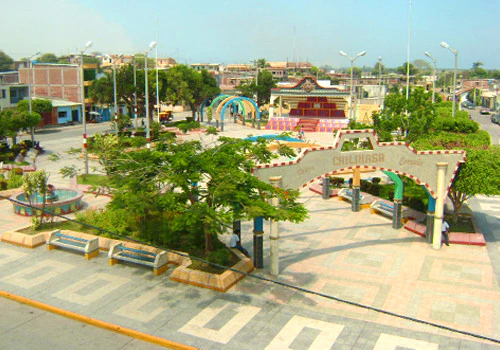
In your routeReligious recollection and syncretism throughout the Tumbes region.
 In your route
Agricultural fairs, folklore and agrotourism in the Corrales valley.
In your routeThe five circuits with the Safe Travels seal are promoted from September 21st to 27th.
 In your route
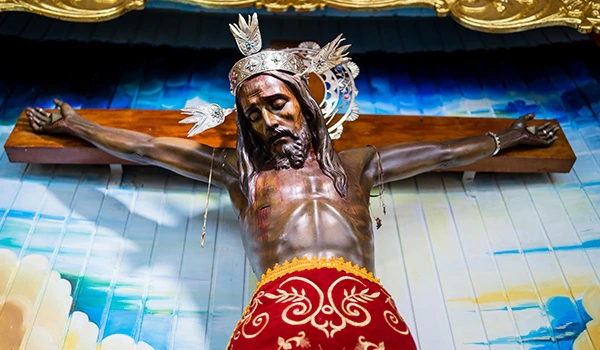
Three days of faith and pilgrimage in San Juan de la Virgen.
In your routePatron saint festival closing November in Papayal.
In your routeDevotion and tradition in the Zarumilla valley.
In your routePatron saint festival on the border with Ecuador.
In your routeReligious fervor and civic pride in Zarumilla.
In your routeSanta Clarita Festival in Papagayos, on August 12th and 13th.
 In your route
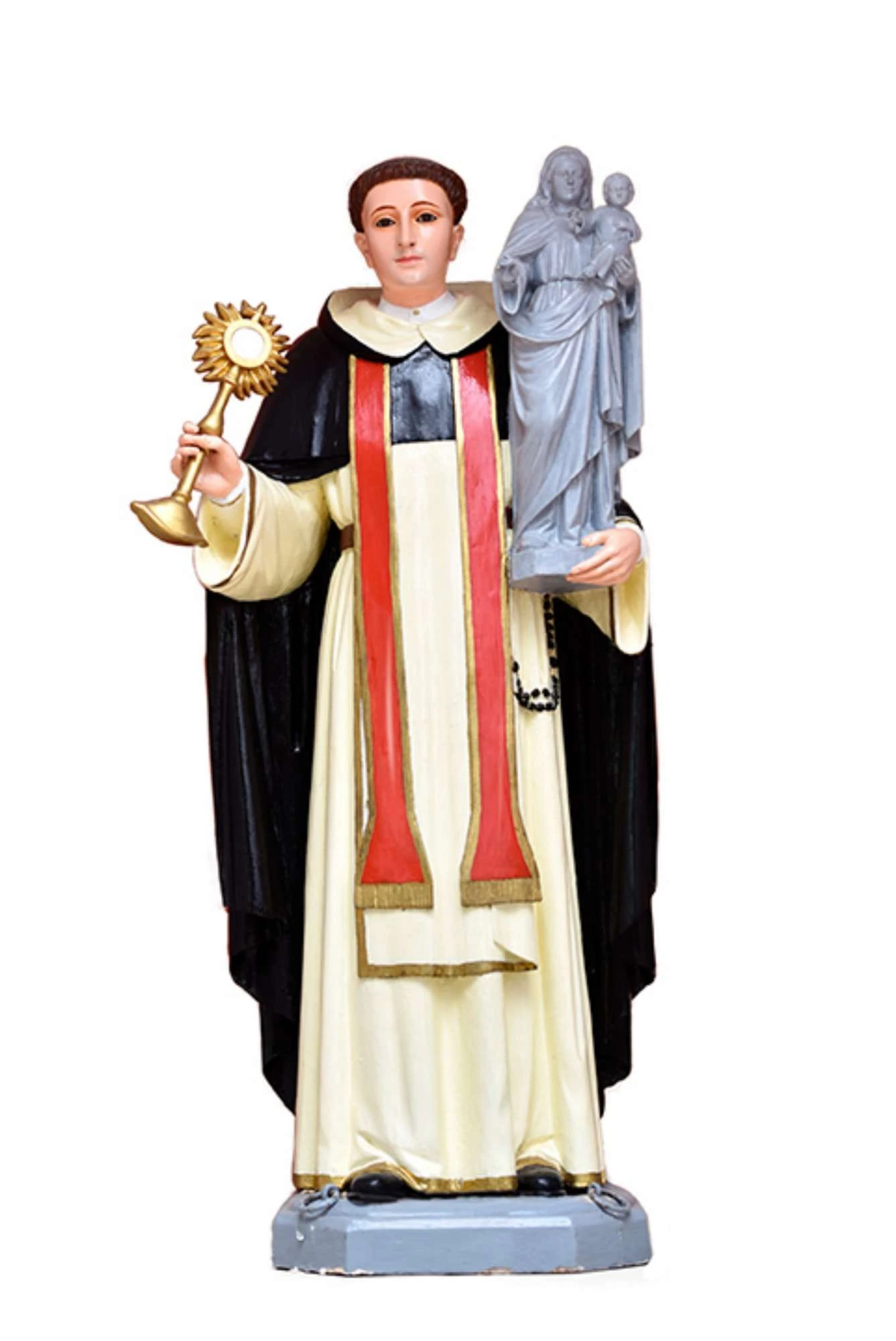
Homage to San Jacinto, patron saint of the town, on August 15th and 16th.
 In your route
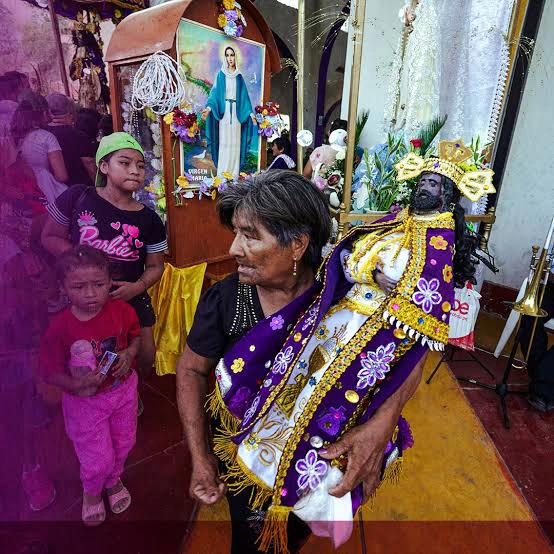
Religious devotion in Corrales with procession and masses.
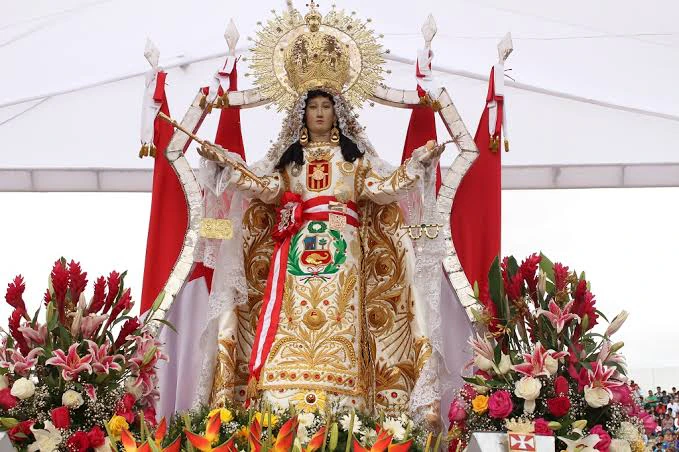
In your routeNational devotion that unites the faithful of Tumbes.
 In your route
Devotion to Our Lady of Mercy in Cabuyal, on September 4th.
In your routeDevotion to Our Lady of Mercy on the coast of Zorritos, on September 24th.
In your routeDevotion to Our Lady of Mount Carmel in Plateros, July 16th to 19th.
 In your route
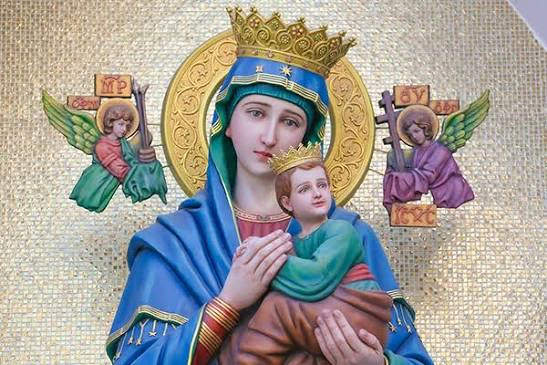
Marian festival in Pampas de Hospital.
 In your route
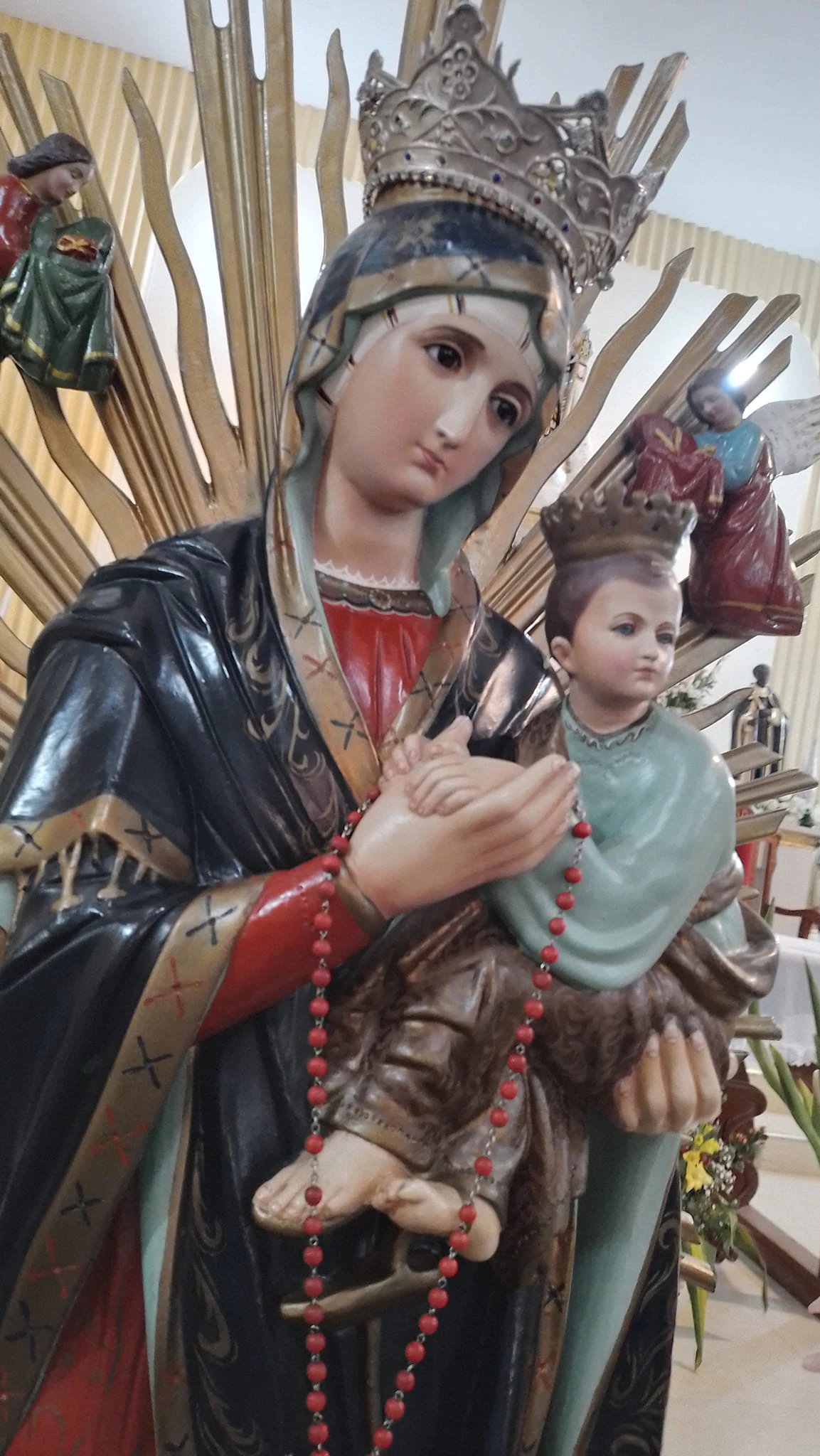
The most crowded devotion of the northern border, from September 1st to 15th.
 In your route
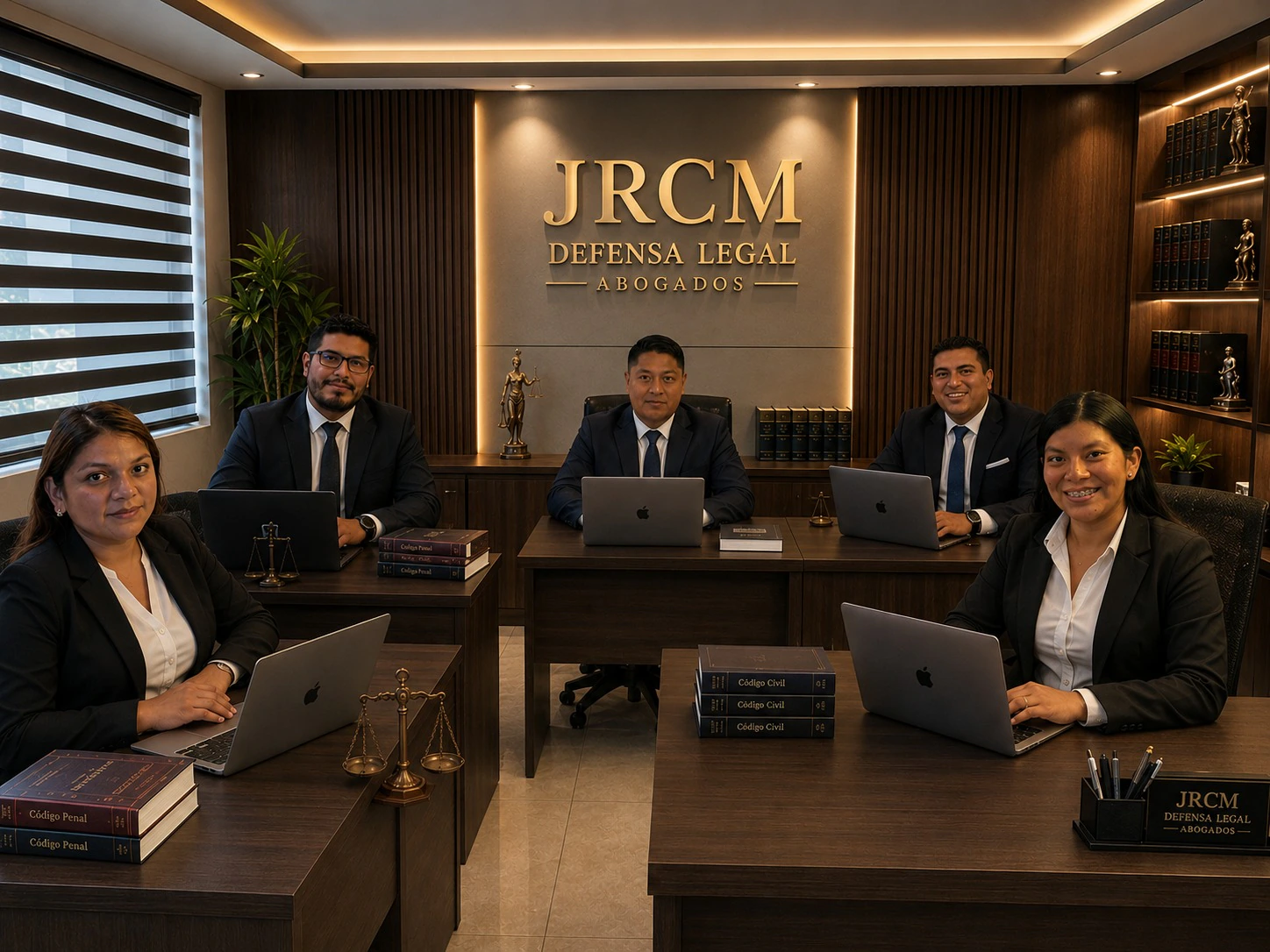
Comprehensive law firm in Tumbes offering legal advice, representation, and defense for individuals and businesses.
 In your route
Law firm in Tumbes providing legal advice, representation and defense for individuals, businesses and commercial activities.
 In your route
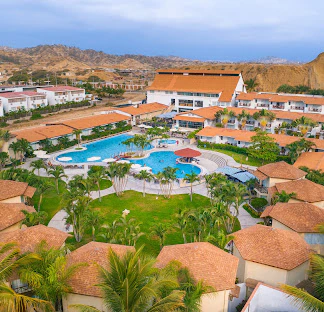
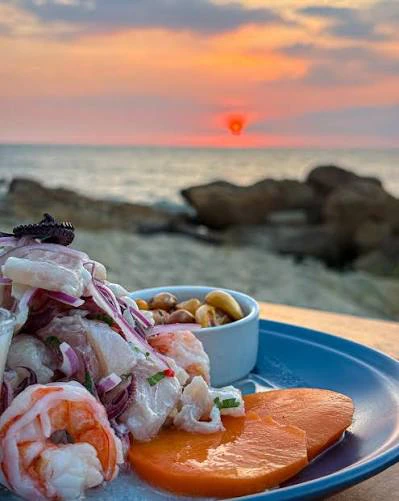
Beachfront resort in Bocapán with swimming pool and spa.
 In your route
Beach bungalows and suites in Caleta Acapulco with lobster restaurant.
 In your route
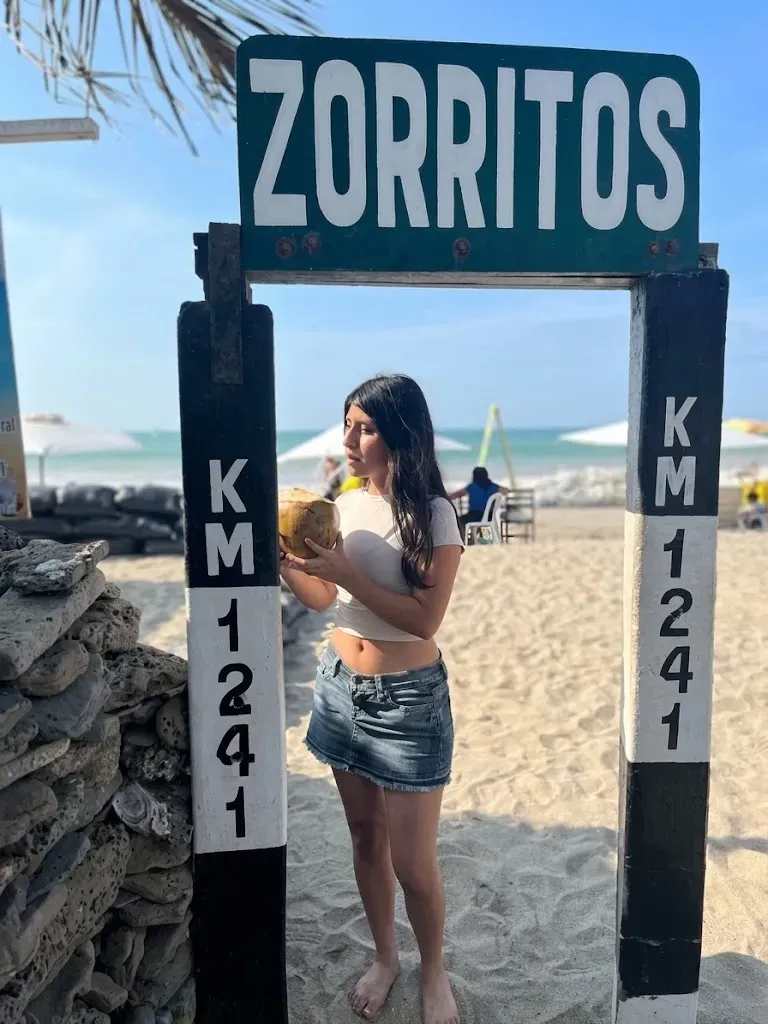
Eco-hostel and surf camp on Acapulco beach, Zorritos.
 In your route
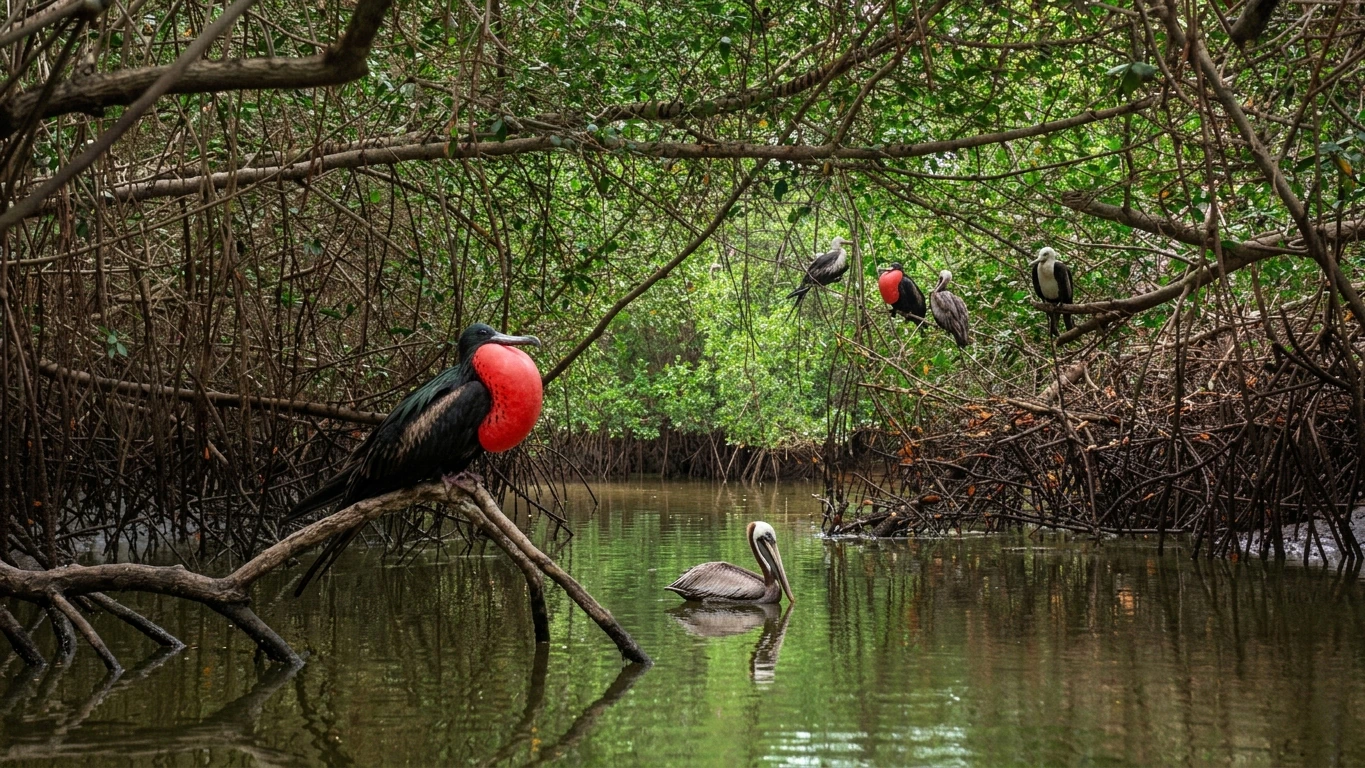
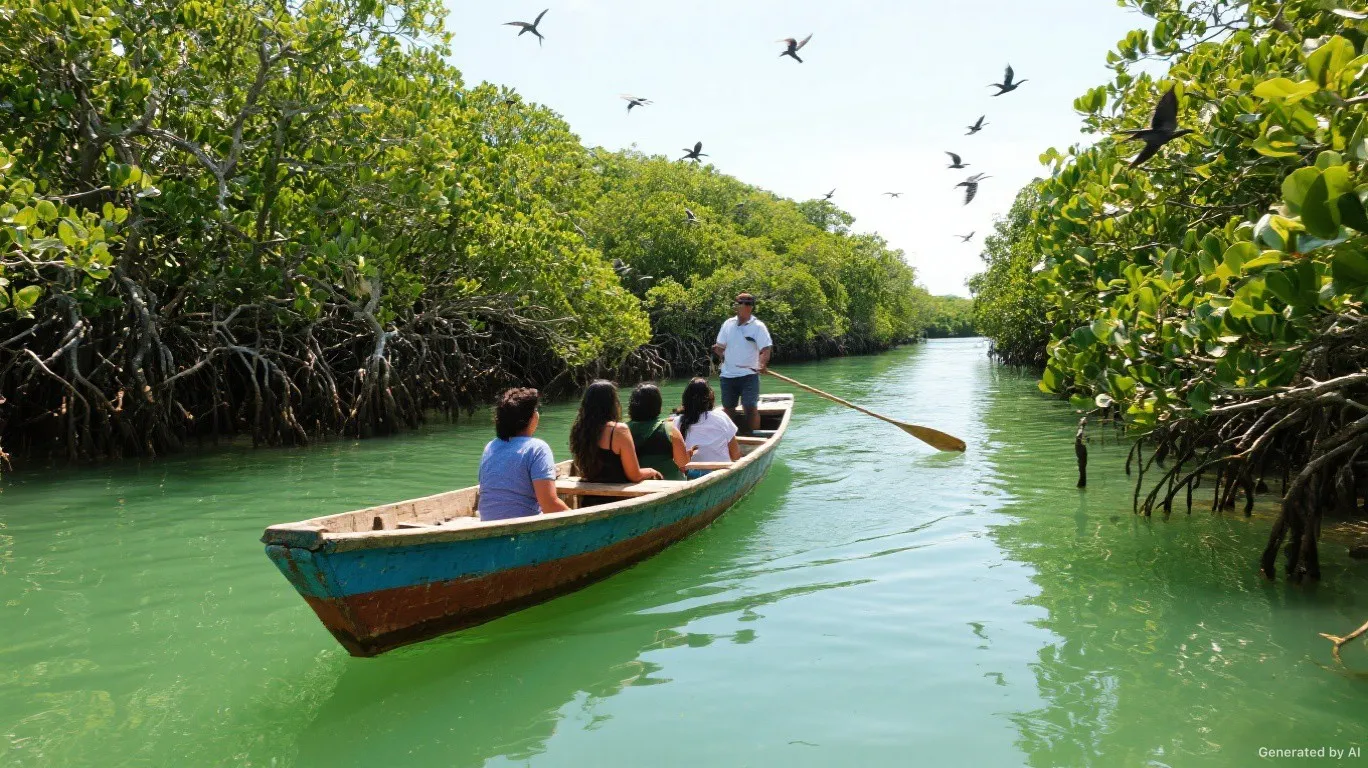
Boat rides through channels and birdwatching.
 In your route
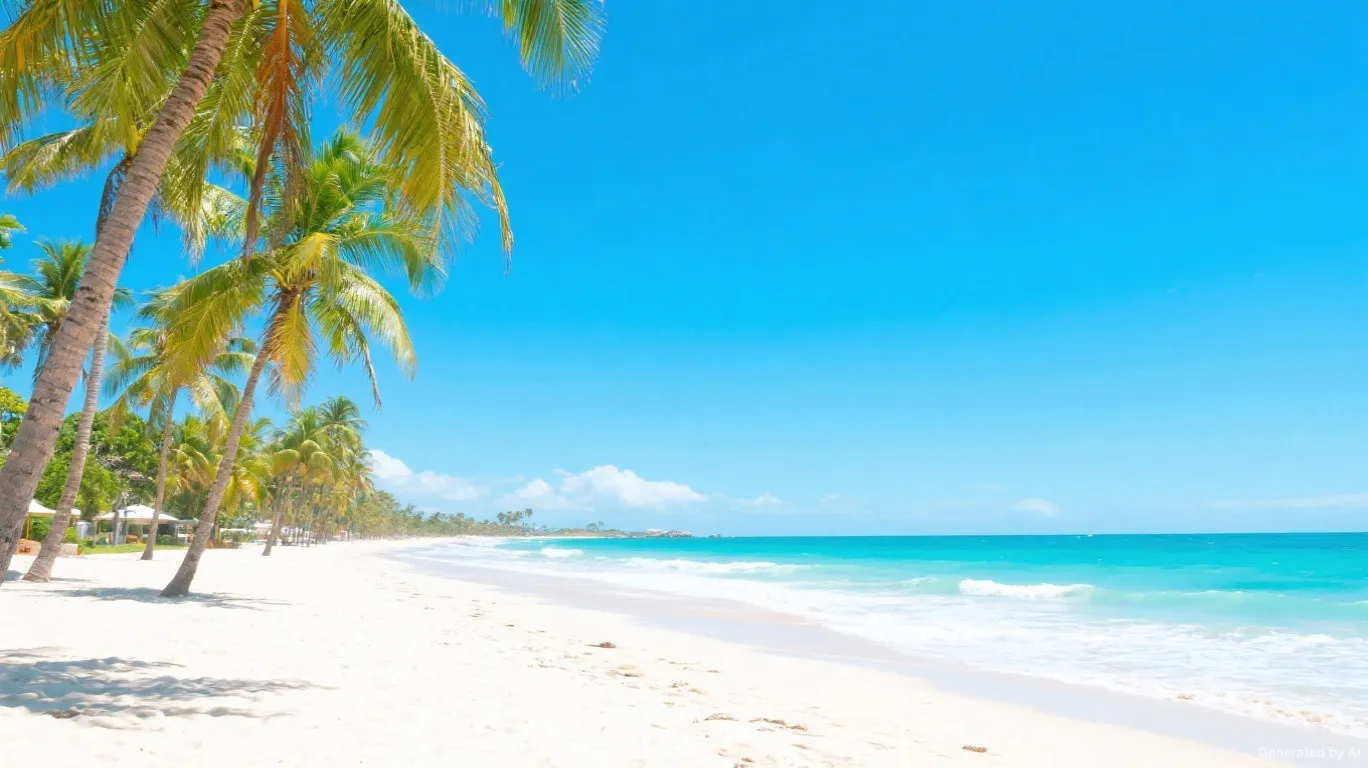
Golden sand and warm waters 30 minutes from the city.
 In your route
Crystal-clear waters in the far north of Peru.
 In your route
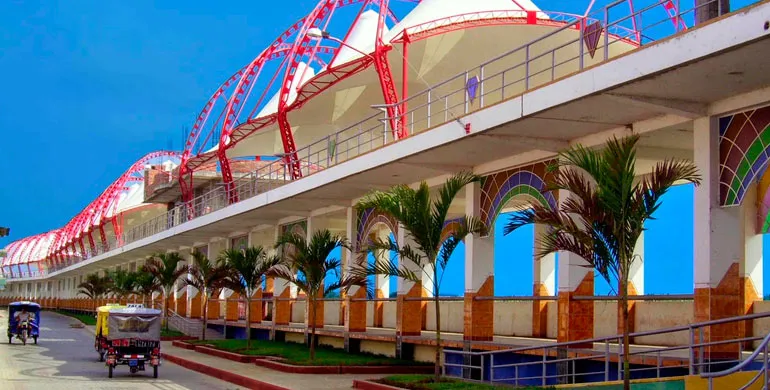
Riverside walk along the banks of the Tumbes River.
 In your route
Guided tour through channels and wildlife.
 In your route
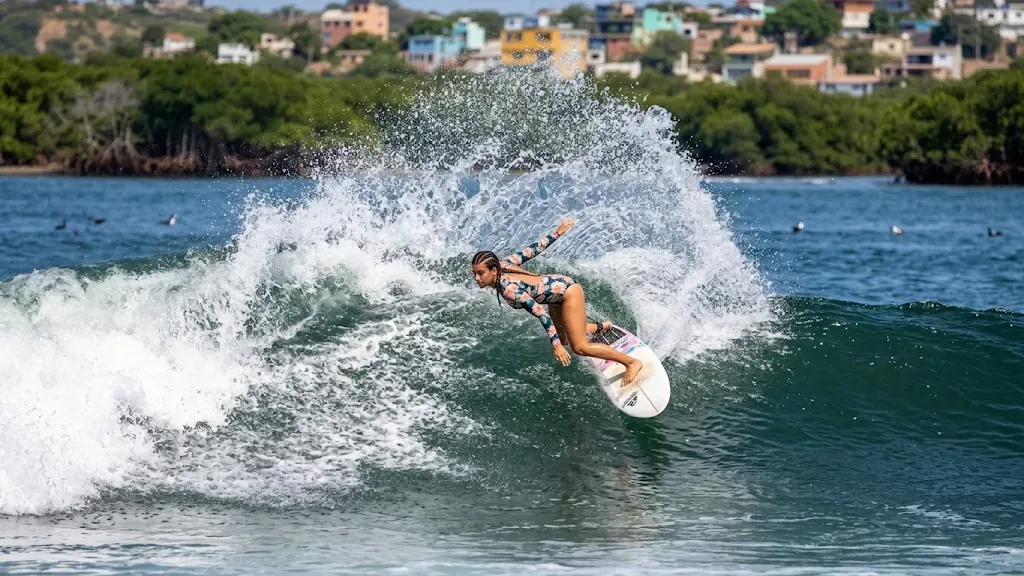
Lessons and board rentals facing the beach.
 In your route
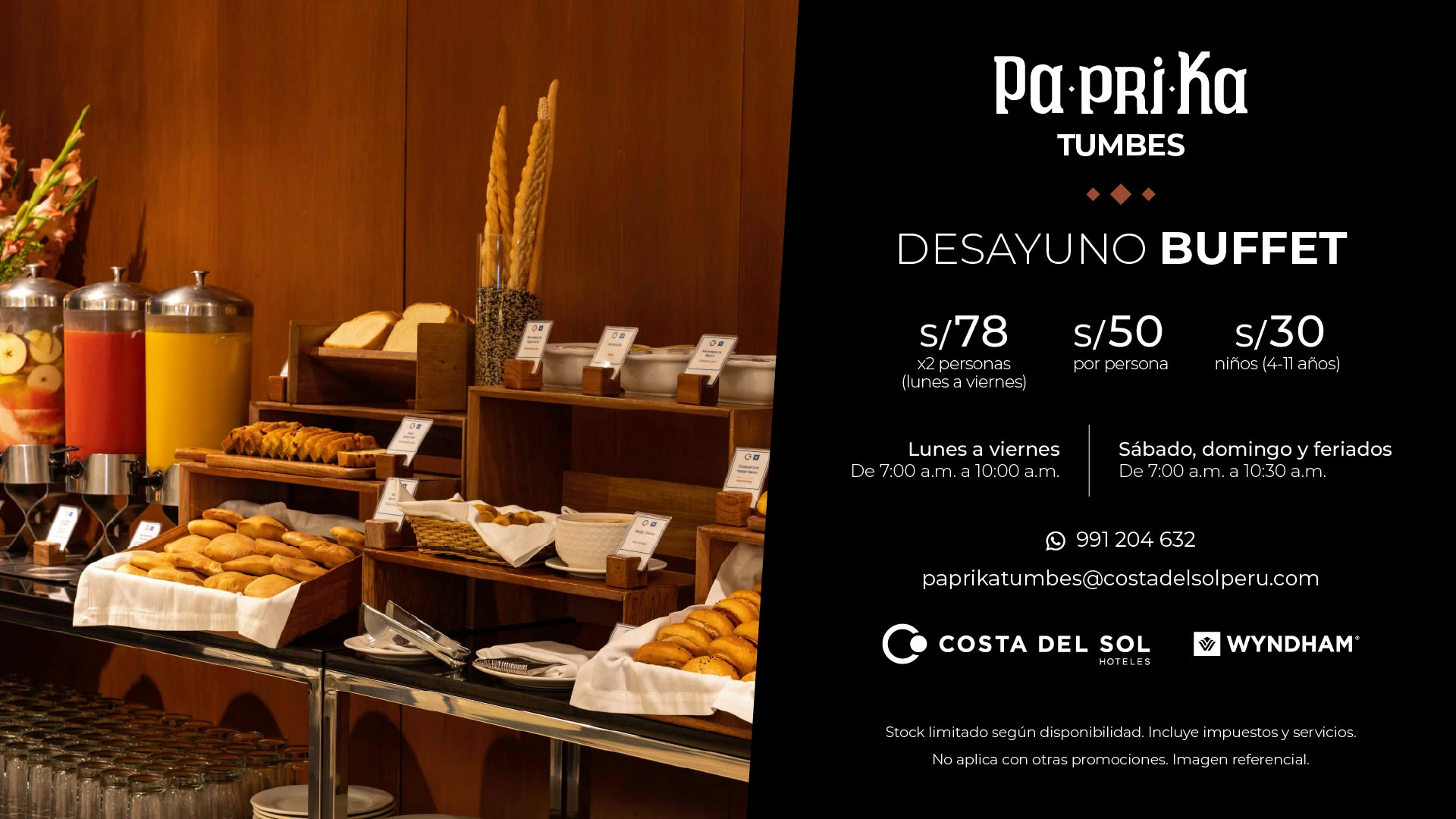
Peruvian and fusion cuisine at Hotel Costa del Sol in Tumbes.
 In your route
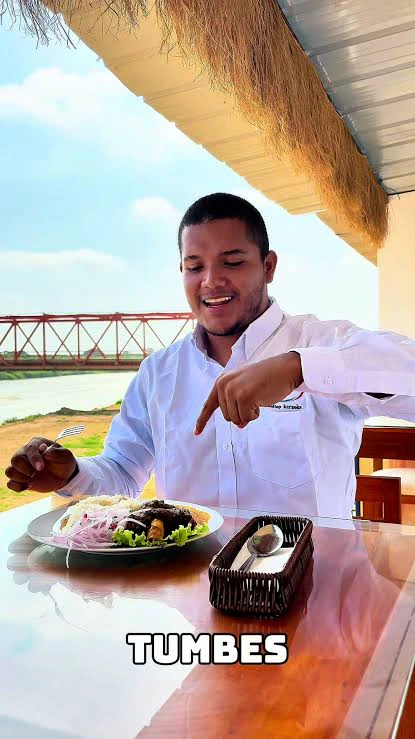
Signature cocktails, shared platters, and nightlife in downtown Tumbes.
 In your route
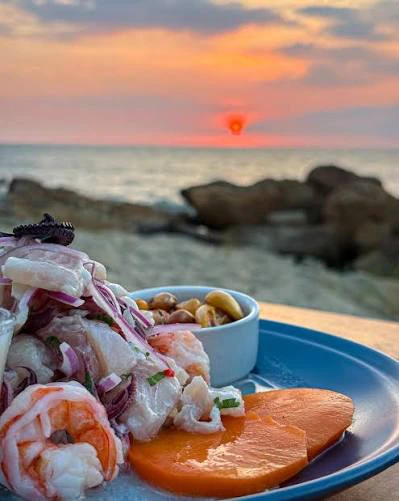
Grilled lobster, catch-of-the-day ceviche, and ocean view in Zorritos.
In your routeSignature coastal cuisine and bar inside Casa Andina Select Zorritos.
In your routeCraft beers, hot finger food, and burgers in downtown Tumbes.
In your routeCharcoal-grilled meats, craft burgers, and BBQ wings in downtown Tumbes.
In your routeSpecialty coffee, breakfasts, pastas, and beef steaks in downtown Tumbes.
In your routeSeafood, prime meats, and regional cocktails in Tumbes.
In your routeTraditional fried fish, seafood platters, and daily menus near Plaza de Armas.
In your routeStone-baked pizzas, artisanal pastas, and grills in downtown Tumbes.
In your routeSeco de chabelo, fresh pez aguja ceviche and northern duck rice in Urb. Andrés Araujo.
In your routeSeafood cuisine and cafe-bar facing Tumbes Main Square.